
Whether you are a startup, SME, or large corporation, financial sustainability is not solely derived from revenue.
In today's dynamic business landscape, effective financial management is essential for sustaining stability and driving growth. While financing serves as a catalyst for business expansion, it also presents inherent risks. Whether you are a startup, SME, or large corporation, financial sustainability is not solely derived from revenue — it stems from strategic financial decision-making at every stage, with careful measurements in place.
Cash flow is the lifeblood of any business. Even profitable companies can struggle if they run out of cash. To keep your business financially healthy:
Many businesses overlook the cumulative or compounding effect of minor disruptions in cash flow. A delay in vendor payments might force you to delay salaries, affecting morale. A slow-paying customer can restrict your ability to invest in growth. By optimising cash flow strategies, businesses ensure stability, agility, and long-term resilience.

Further to the first bullet points as mentioned above - one of the most effective ways to control expenses is by preparing an annual budget to track actual incurred. Regular monitoring helps identify areas to cut unnecessary costs, such as negotiating a more competitive pricing or credit terms with suppliers or automating processes to reduce staff costs expenses.
A commonly overlooked cost is staff costs related – salaries & wages, benefits, training, and incentives. Like the rising cost of goods, staff costs expenses compound over time. Promotions and annual increments have direct impact on statutory contributions like EPF SOCSO and EIS. To ensure financial stability, businesses must anticipate policy changes and incorporate wage adjustments into long-term financial planning.
Imagine a world without financing - where every major purchase requires full upfront payment.
For individuals – fresh graduates will not be able to afford their first car, and first-time homebuyers would struggle to own a home.
For businesses - Startups would find it nearly impossible to scale, SMEs would face cash flow constraints, and even large corporations would struggle to fund expansions, invest in innovation, or manage operational costs efficiently.
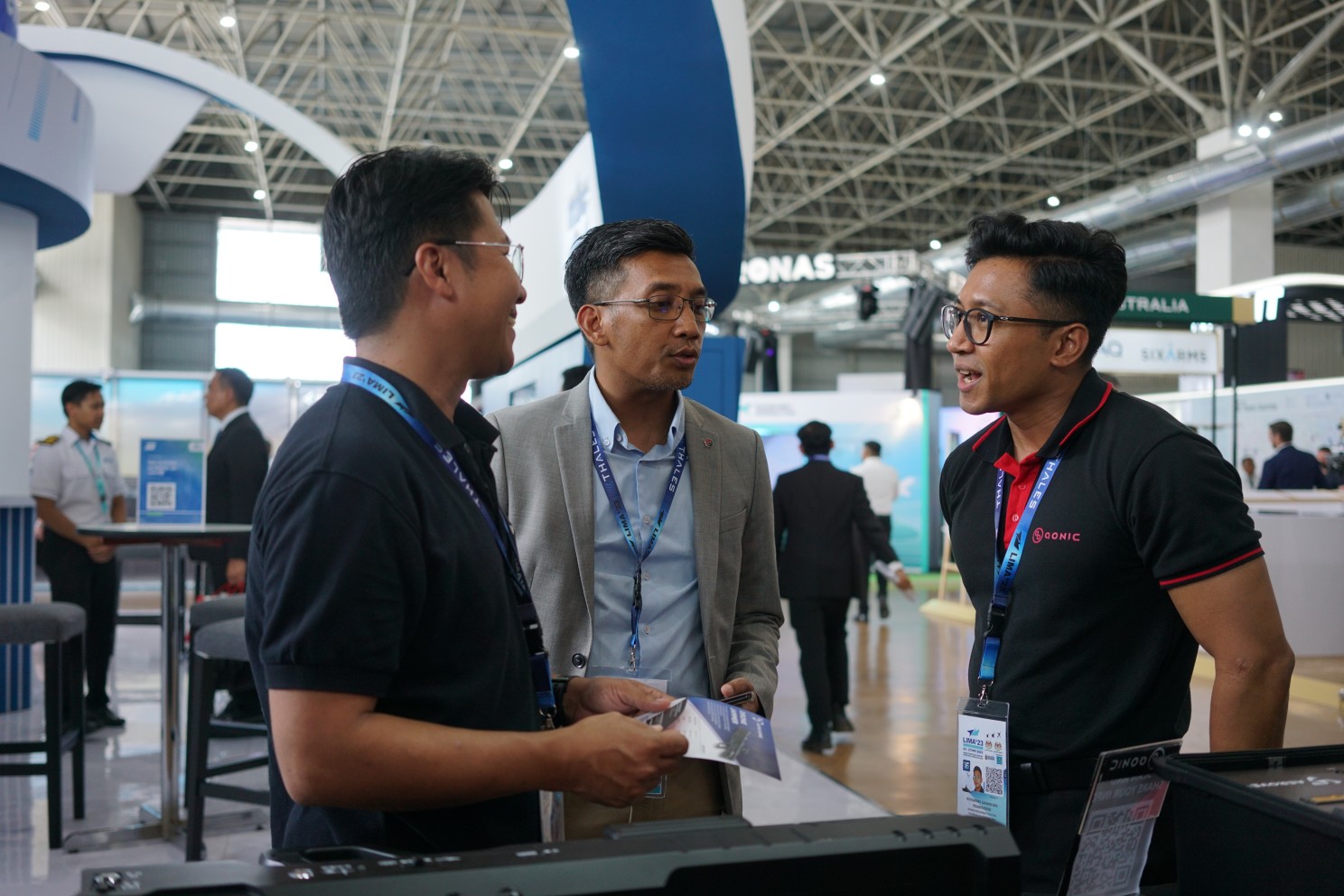
Financing is not just about affordability; it drives our country‘s economic growth, enabling individuals and businesses to invest in their future. Smart financing helps businesses expand, upgrade equipment, and manage inventory without draining cash reserves.
Instead of tying up your capital, consider these alternative financing methods to scale your business effectively:
At Aonic, we recognise the importance of financial flexibility and understand that investing in drone equipment requires a significant upfront cost, which can impact cash flow for businesses and individuals.
This is exactly why we created Aonic Flex—a financial solution designed to help businesses invest in drone equipment without the burden of a large initial capital expenditure.

Launching a financing program is not just about offering credit approvals to applicants - it is about striking a balance between product accessibility and internal risk management.
With Aonic Flex, we set clear, structured criteria to ensure financing is both customer-friendly and financially sustainable for Aonic. By establishing transparent approval guidelines, we build trust, streamline decision-making, and help businesses invest with confidence.
Financial success is not just about increasing revenue – it is about making smart financial choices that sustain long-term growth. By managing cash flow, controlling expenses, leveraging financing options, and optimizing tax strategies, businesses can stay financially strong and competitive.
So... how is your business positioning itself to scale wisely without breaking the bank? Let’s talk.