Every large industrial site has one thing in common. There are always palces that are hard to monitor. Corners that camera cameras cannot reach. Areas that are too risky or too far for security patrols to check often. Keeping everything safe is not easy when people cannot be everywhere at once.
That is why drone surveillance is changing how sites are protected. It is not about replacing people but about giving them tools that make their jobs safer and easier.
In one of our projects, we explored how the DJI Dock 2 combined with an AI monitoring system can watch over a facility without needing someone on site all the time. The goal was simple, to keep the area safe and give security teams more time to focus on what really matters.
Dock 2 acts as a small home for the drone. It allows the aircraft to take off, recharge, and prepare for the next mission completely on its own. Once connected to the AI system, the drone can recognize movement, spot patterns, and alert teams at the moment something unusual happens.
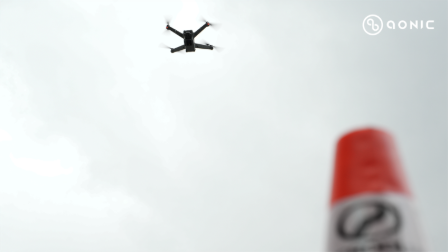
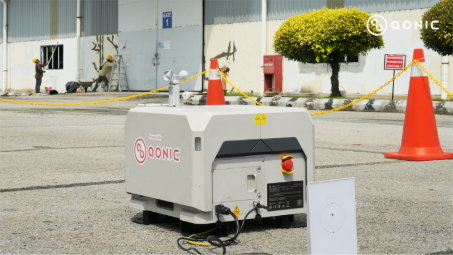
Watching it work feels a bit like the future is arriving quietly. The drone sits ready until the system detects movement near a fence or along a pathway. Then it lifts into the air, flying straight to the location. Within seconds, it streams clear video back to the control room. The security team can see what triggered the alert and decide what needs to be done next.
The AI software helps them understand what they are seeing. It can tell the difference between a person, an animal, or a vehicle. It recognizes normal patterns of activity and flags what looks out of place. This makes it easier for teams to focus on real incidents instead of guessing.
When the job is done, the drone lands back on its dock, charges itself, and waits for the next signal. It does not need constant attention, which means the system keeps running smoothly day and night.
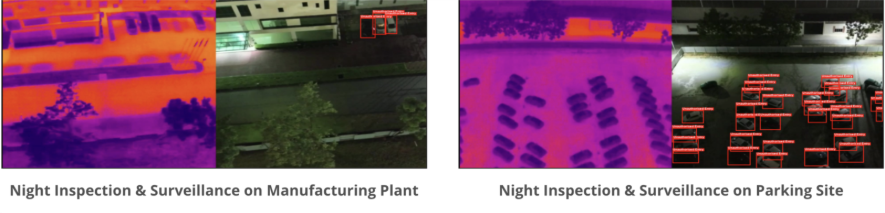
For industries like manufacturing, energy, or public safety, this kind of technology is a big help. It reduces blind spots and helps people respond faster. Patrol teams can still do their rounds, but now they have support from the above. The drone covers wide areas quickly, while the team focuses on areas that need human judgement.
The real advantage comes from combining automation with experience. The AI system detects what needs attention, the drone collects the visuals, and people make the decisions. It is teamwork between technology and humans.
This approach also improves workplace safety. Drones can check for overheating equipment, blocked paths, or leaks in places that are difficult to reach. They can look for early signs of problems before anyone needs to step into a risky area. Over time, the data collected helps managers plan maintenance more efficiently and prevent future issues.
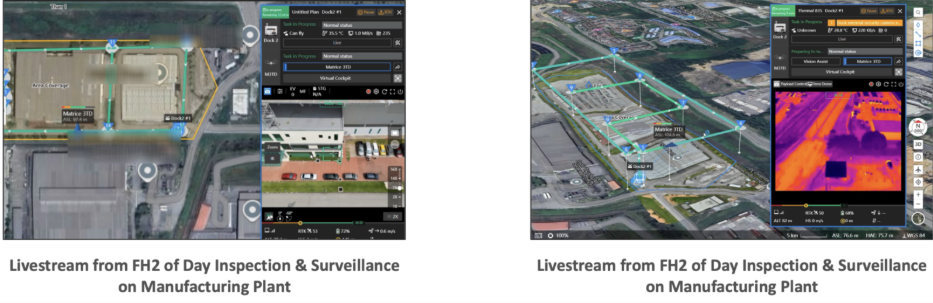
What makes this kind of system so valuable is its consistency. The drone does not get tired. It does not lose focus. It just keeps watching, ready to move the moment something happens. It extends the awareness of the security team, helping them stay one step ahead.
In the end, this is not about technology taking over. It is about people using the right tools to make their jobs safer and more effective. Drone systems like the DJI Dock 2 and AI monitoring bring peace of mind to industries that depend on constant awareness.
Safety has always been about watching out for each other. Now, with technology helping from above, that responsibility feels a little lighter and a lot more secure.