When people hear “Head of Growth” or “Growth Analyst,” they picture the SaaS playbook: growth hacking subscribers, shaving CAC, nudging activation with emails and nudges, A/B testing landing pages, obsessing over Day-7 retention and cohort curves. That’s great—for apps.
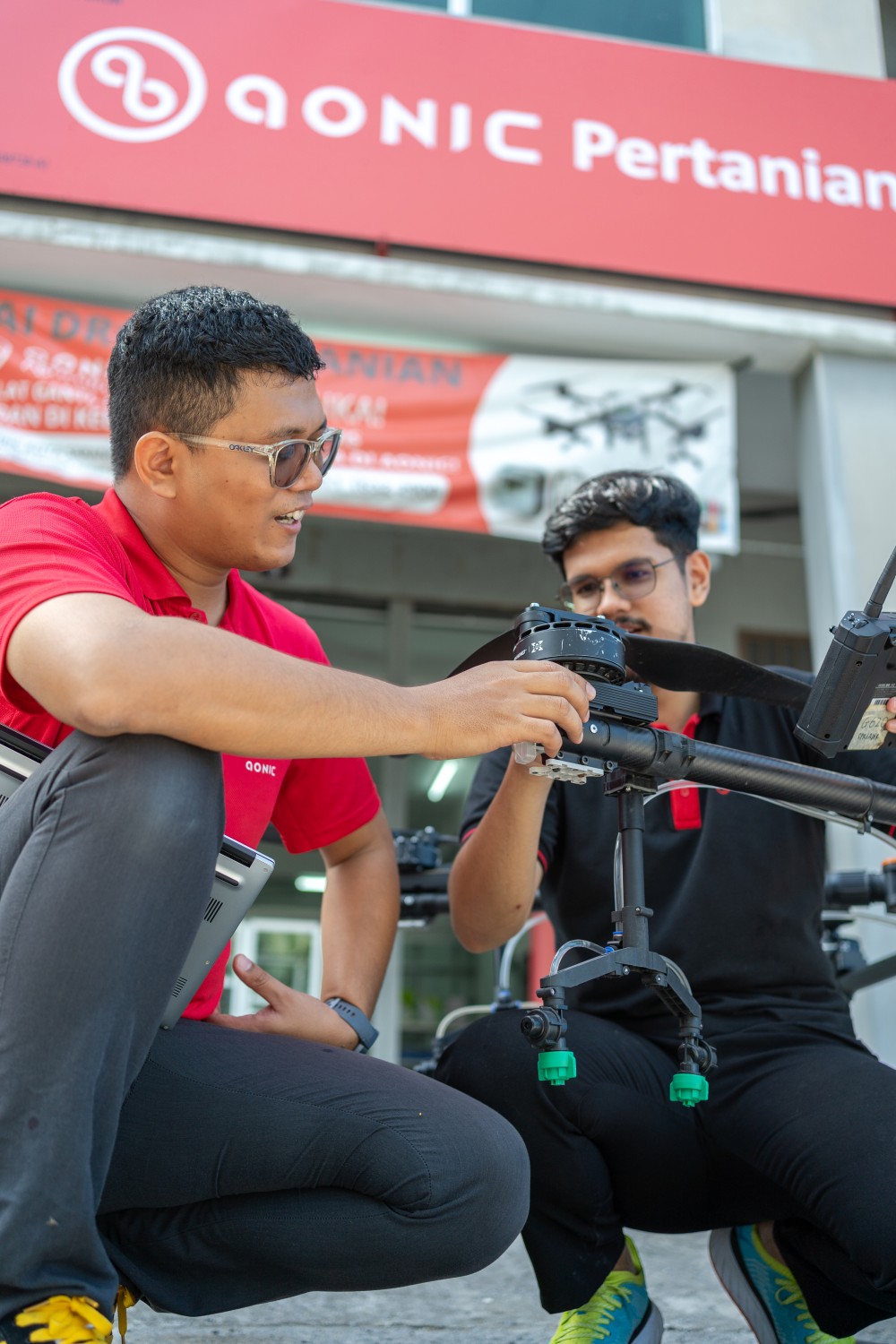
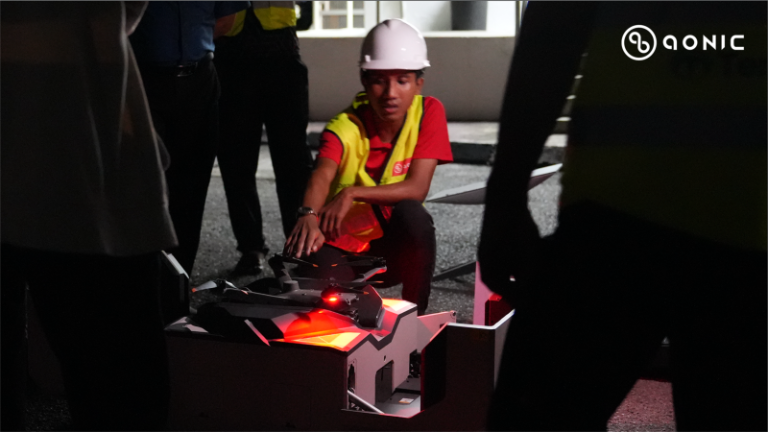
At Aonic, our reality is different. We work in 3D: dirty, dangerous, and demeaning environments where the job is keeping people safe, machines running, and promises kept in the field. Weather changes plans. Hardware fails if you don’t service it. Safety isn’t a slide; it’s a system.
That’s why Aonic is built around two pillars that matter on the ground: access and uptime. Aonic Flex helps smallholder farmers and field teams pay in ways that match real cash cycles, so work happens when seasons demand it. Our Retail locations are 3S touchpoints—Sales, Service, Spare parts—so equipment stays working, not just sold. Around those cores, we equip professionals in Oil & Gas, Surveying, Search & Rescue and more with tools and training that reduce risk and improve outcomes. Growth here isn’t clicks; it’s hectares sprayed on time, inspections done without putting someone on a rope, and fewer nights a farmer lies awake worrying about the next season.
The inbox is full of “opportunities.” The work is due diligence on the partner, not the pitch. We filter hard: Do they keep their word? Do their values match ours when things go wrong? Are we a short-term tool in their plan, or a long-term fit in a shared roadmap? Will we control enough of the customer experience to make it right? Do the unit economics still hold once warranties, spares, and service are real? If the answer’s “no,” we exit cleanly. Clarity beats FOMO; saying “no” to misaligned partners creates room for the right “yes.”
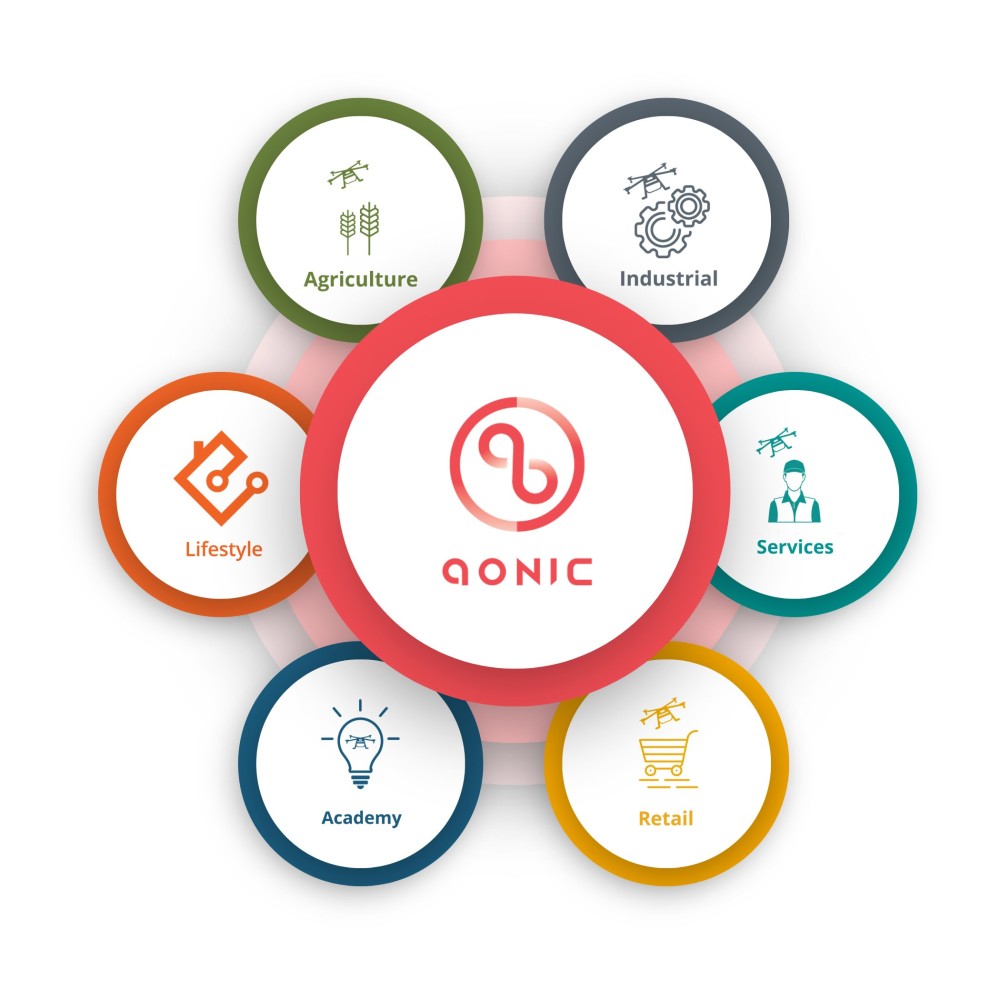
We started in drones, but we follow problems we’re built to solve, not product fads. That’s why we now operate across six verticals: Agriculture (spraying, mapping, farm services), Industrial (O&G, Surveying, SAR tools and workflows), Services (mapping projects and field ops), Retail (our 3S touchpoints), Academy (training and standards), and Lifestyle (intelligent home tech that fits our ops and distribution backbone). This discipline keeps us clear of distracting “shiny” ideas—the trap many young startups fall into. We only pursue opportunities that align with our mid- to long-term plan, where regulations are clear, serviceability is real, and our operating edge compounds.
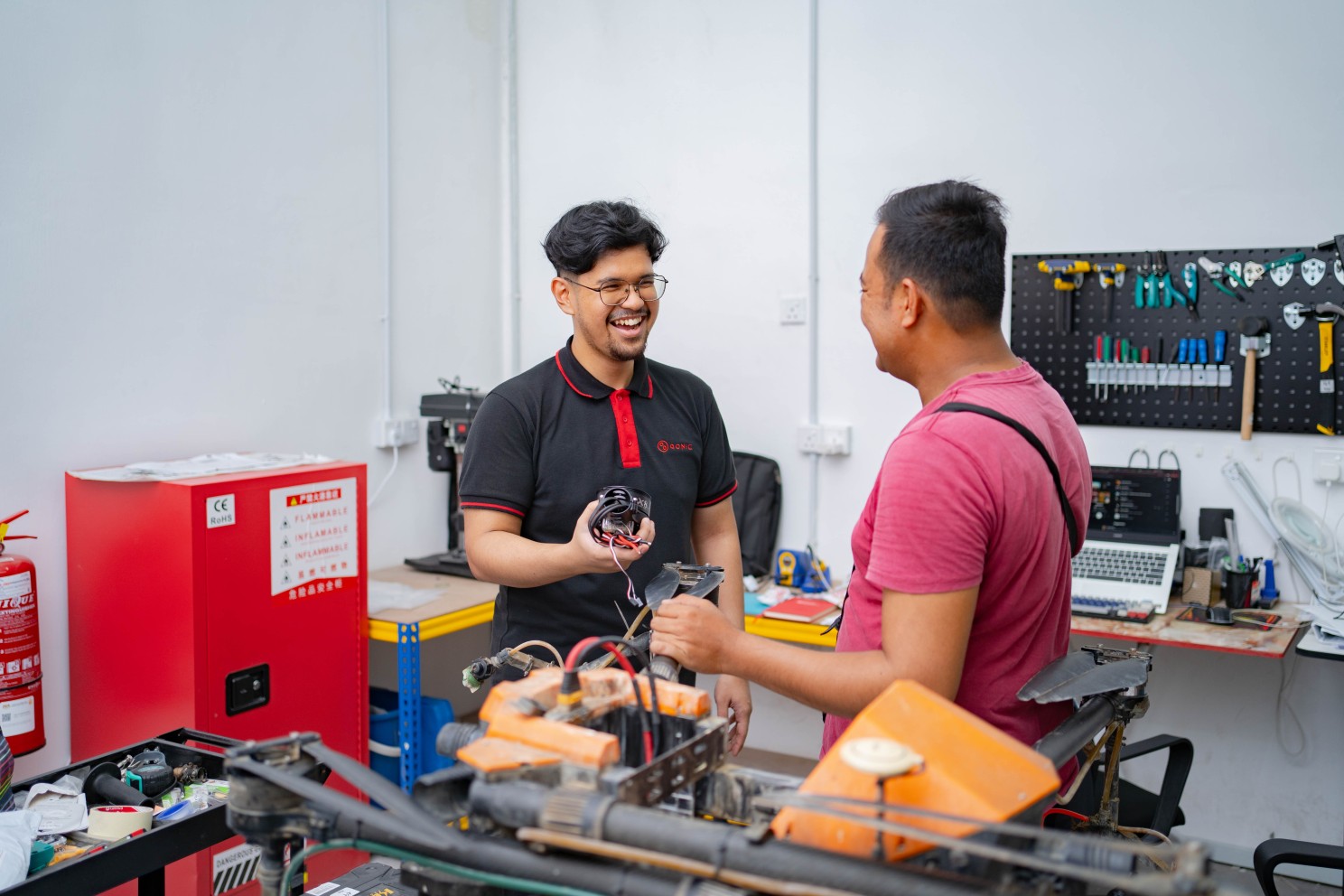
Aonic Flex exists to expand access—financing that fits seasonal cash cycles so essential work happens on time. We first launched it like a subscription because that felt “modern” (think Spotify, Netflix)—but we forgot we were dealing with hardware, and it didn’t work the same way. Hardware industries are more familiar with rental, leasing, and hire purchase. We kept the mission (access) and changed the mechanism. That’s how our Growth team works in a hardware, field-ops business: run tight pilots, learn with technicians and customers, adjust pricing and workflow, then blueprint what works so new teams can repeat it. Our first 3S centre followed the same arc—open on our best assumptions, listen hard, fix staffing/parts/SOPs, then scale. Today that operating file underpins ~50 drone service centres across the region—after ~3 years since we first started. Tenacity is believing in the destination; resilience is getting up and iterating when the path bends.
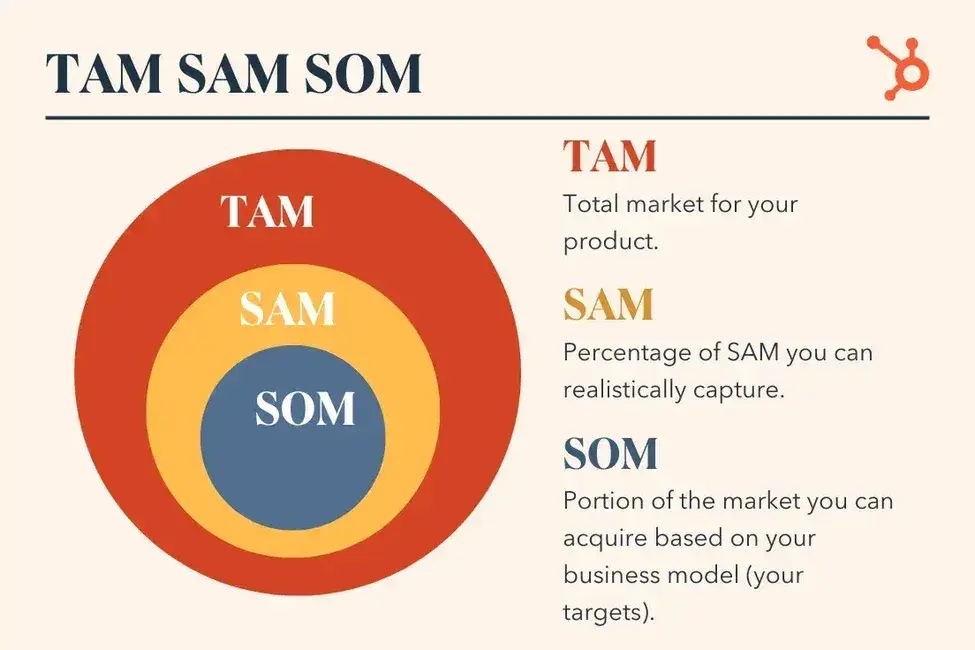
Big TAM (Total Addressable Market) slides are a common startup pitfall. Population ≠ demand, legality, or serviceability. We size SAM (Serviceable Available Market) where we can actually operate: crops and assets allowed by rule, terrain we can reach, and units we can keep at target uptime. We then plan SOM (Serviceable Obtainable Market) we can truly serve: within a realistic 3S service radius, with financing that tracks cash cycles (Aonic Flex), and enough trained operators for peak. If SOM is smaller than hoped, we don’t expand blindly—we study the value chain and then expand horizontally into adjacent jobs only when they align with our capabilities and plan. Market size on paper is potential; market size in the field is promises we can keep—repeatedly.
The drone industry is relatively new. Early on, the real enemy wasn’t a rival brand or company—it was non-adoption. We want every player in the industry to get better, because when everyone grows, awareness and acceptance of drone usage rise. That’s how a technology gets popularised and adopted at scale. We learn from what others try, and we contribute where shared standards and good behaviour lift the whole industry. Our sharpest competitor is ourselves—staying better than yesterday. Being first is PR; being right, safe, and repeatable is growth. That’s what Aonic is - “Accelerating the future, today.”
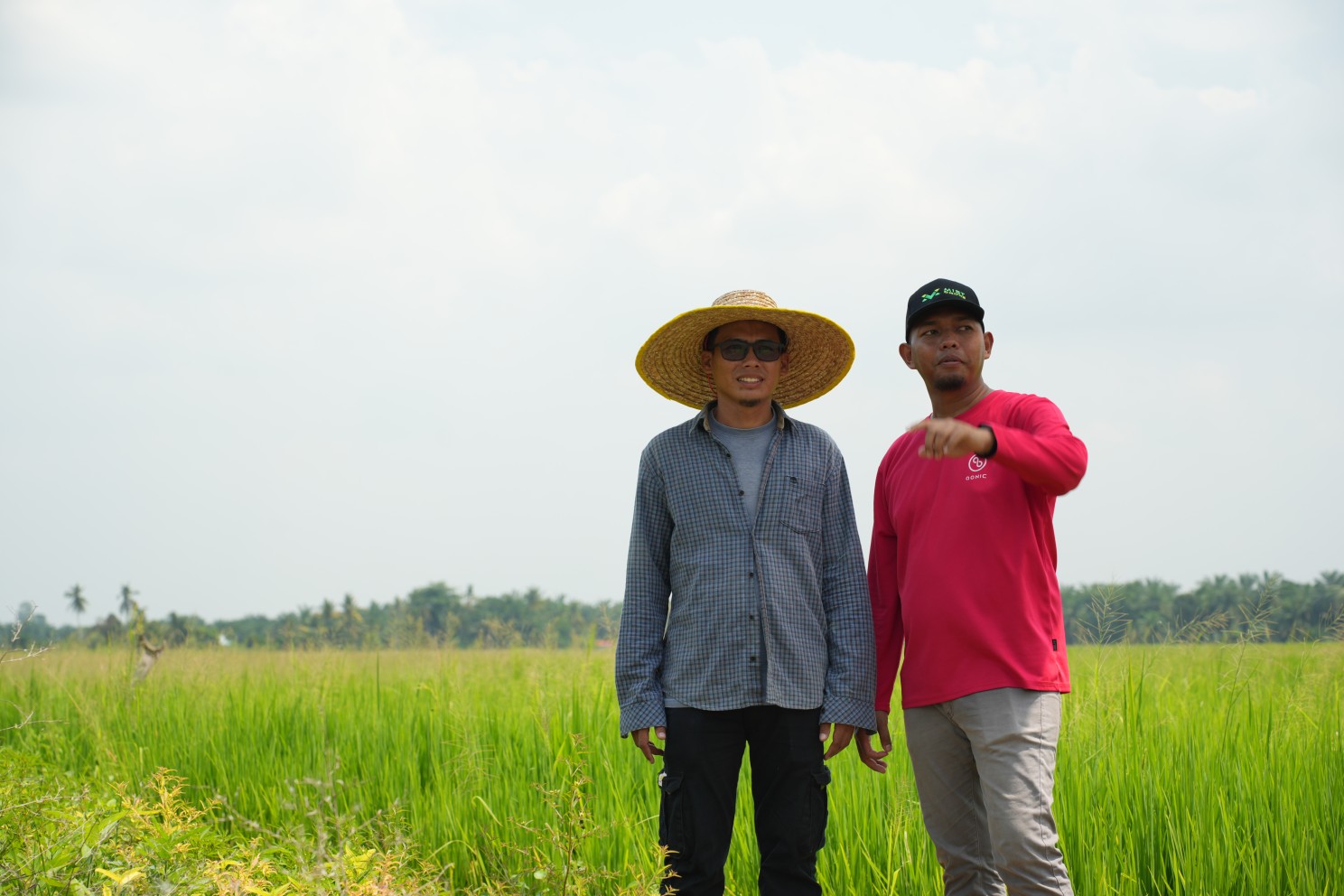
For smallholder farmers, it shows up as timely, affordable services and equipment that keep working—better yields, fewer nasty surprises at peak. For Industrial teams in O&G, Surveying, and SAR, it means safer missions, better data, and less downtime where mistakes are expensive—and sometimes irreversible. That’s the kind of growth we build: field-proven, people-safe, and compounding—strong enough to scale across the region and stand the test of time.