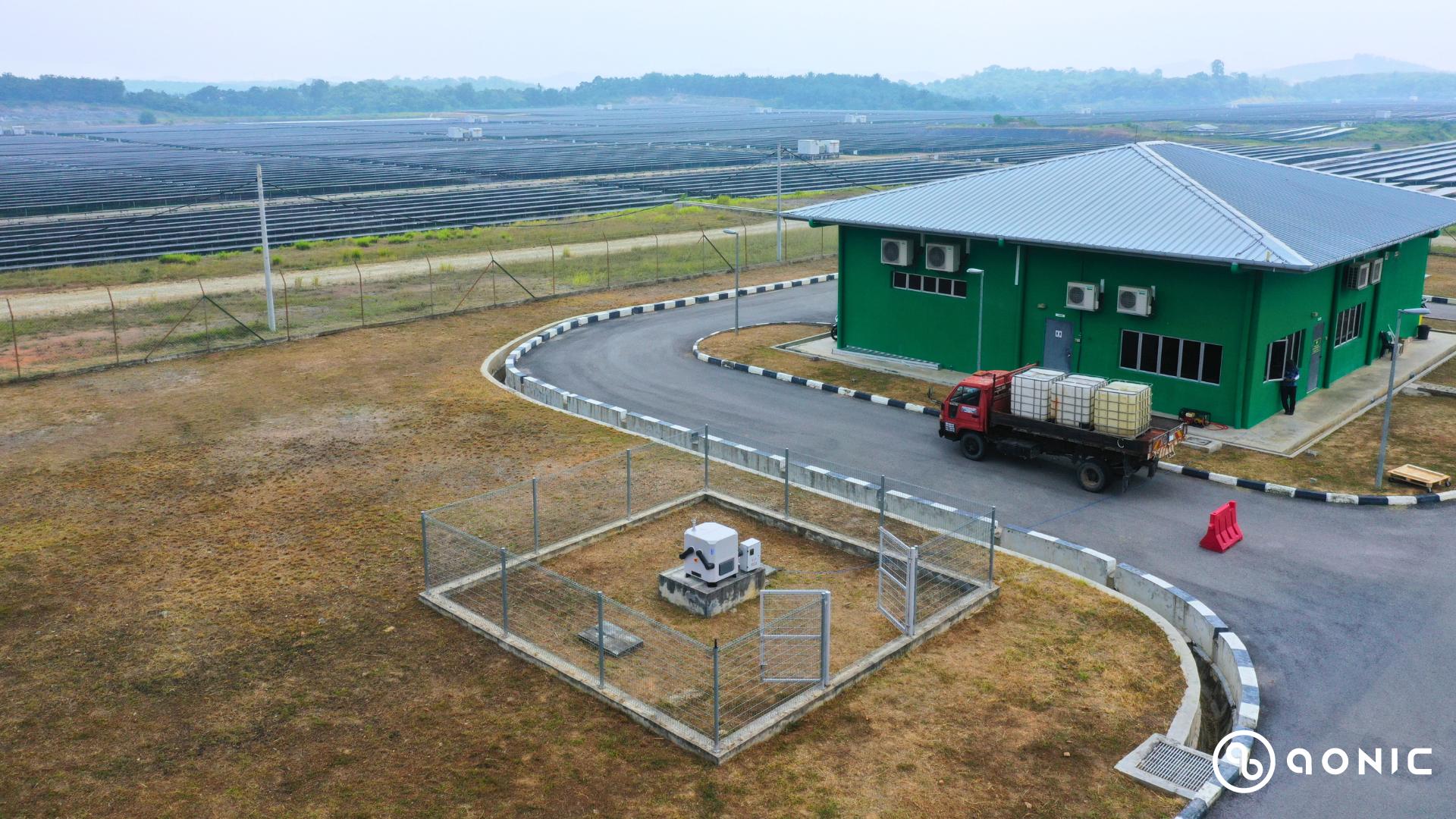
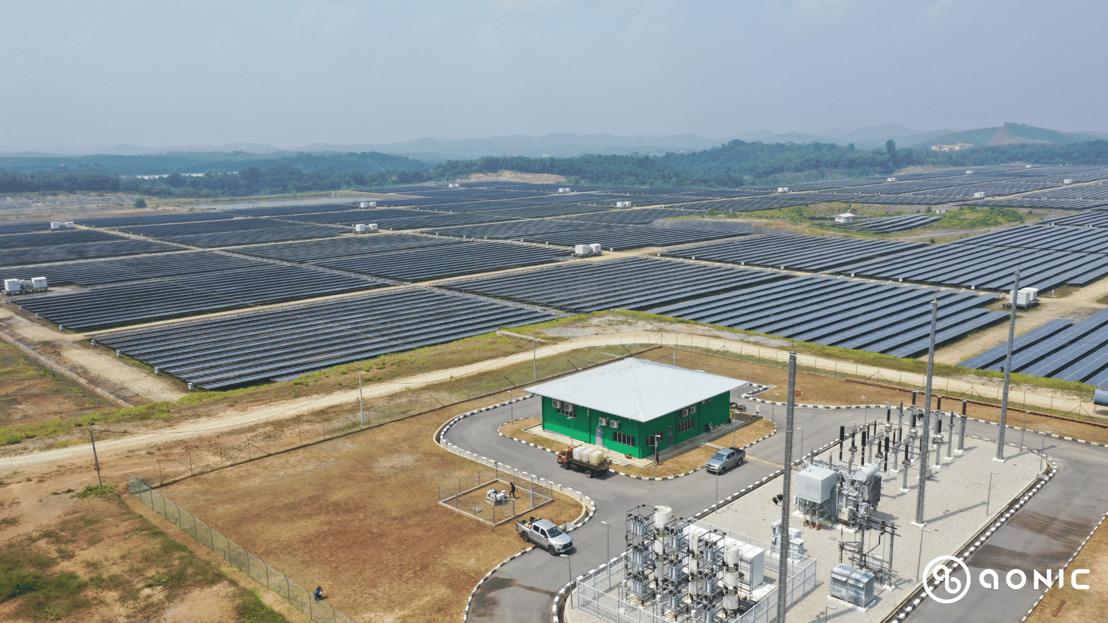
In the vast landscape of solar energy production, solar farms stand as beacons of sustainable power generation. Yet, the efficient management of remote solar farm sites, especially expansive ones, poses significant challenges in terms of manpower and time consumption. Traditionally, conducting regular inspections of solar panels involved dispatching personnel to these remote sites, capturing data manually, processing thermal information, and subsequently analyzing the findings for stakeholders. Recognizing the need for a more streamlined approach, a solar farm operator in Negeri Sembilan, Malaysia has embraced DJI Enterprise’s drone technology, leveraging the autonomous DJI Dock, to revolutionize their workflow. This shift ensures that data collection is regularly updated and adheres to a scheduled routine, optimizing solar panel maintenance and reducing downtime.
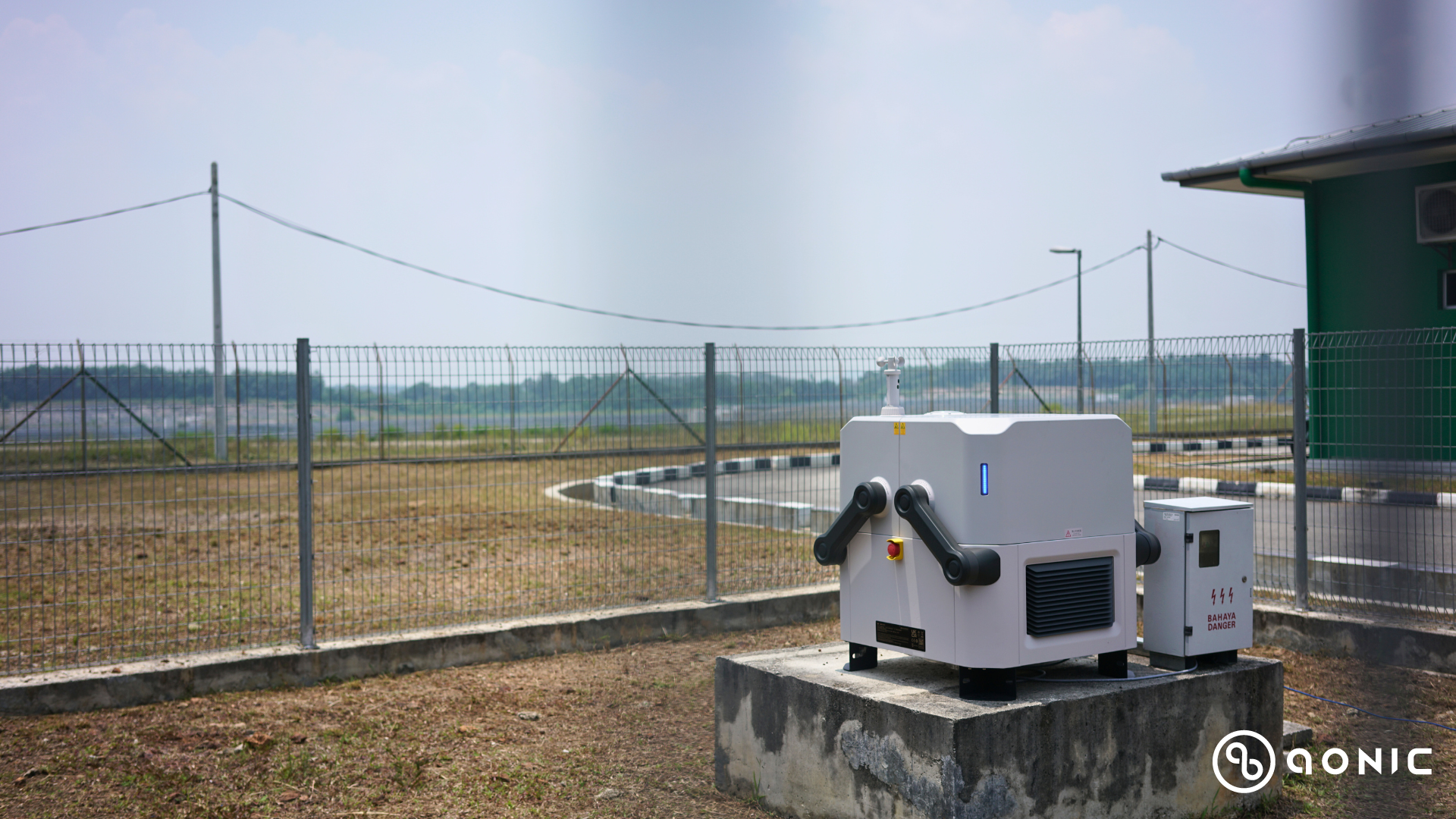
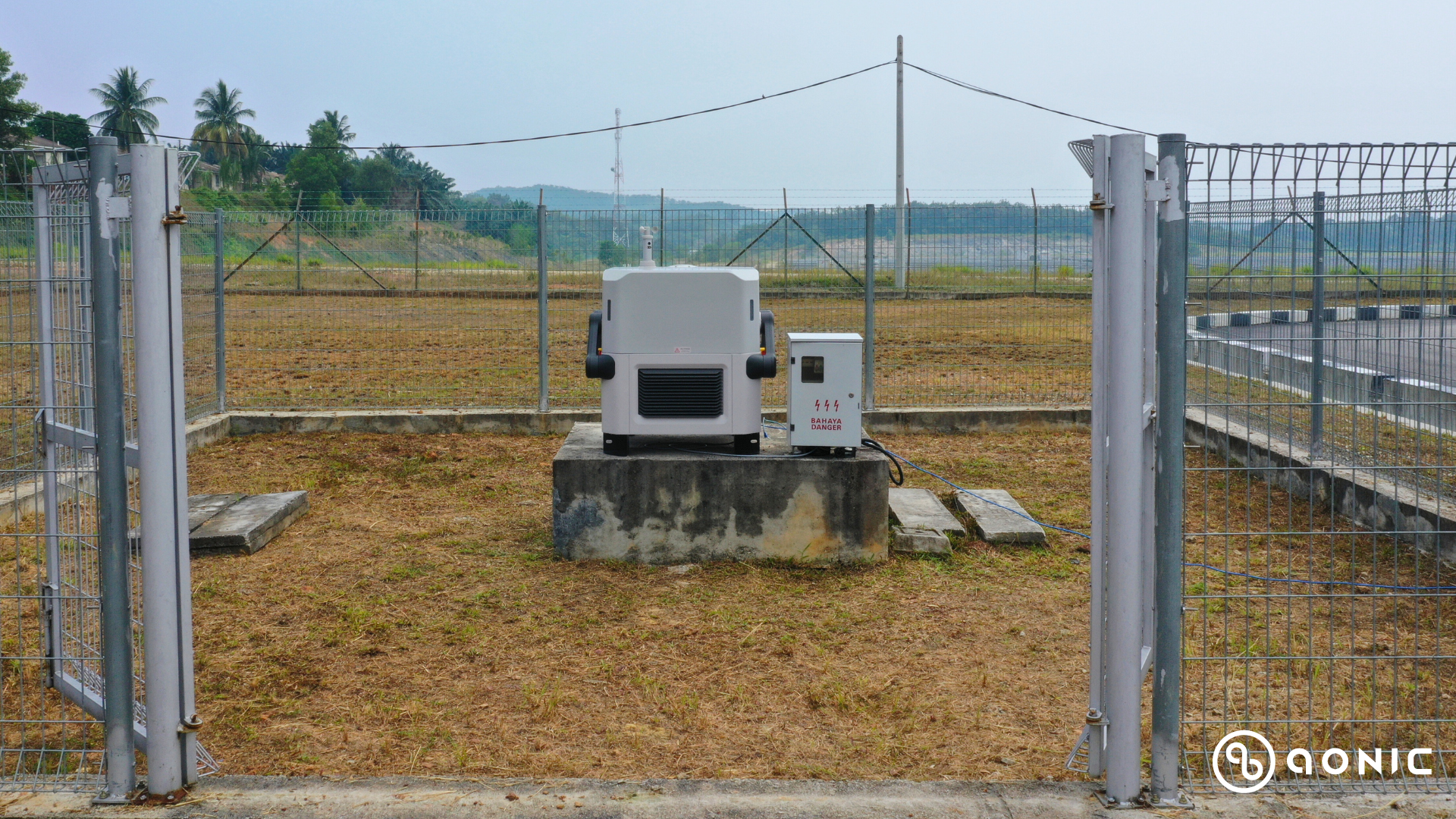
The DJI Dock, designed for advanced solar farm inspection, boasts a robust build that ensures enduring performance in challenging environmental conditions. With an IP55 Ingress Protection, the dock is shielded from dust and water, maintaining its functionality even in adverse weather conditions commonly encountered in solar farm settings. Its operational flexibility shines through with an operating temperature ranging from -35℃ to 50℃, enabling effective functioning in diverse climatic conditions, particularly in Malaysia’s tropical climates. The DJI Dock's autonomous operation features include a backup battery with a 5-hour capacity, ensuring continuous operation during power interruptions. The Active Temperature Control not only facilitates fast charging but also ensures optimal drone performance and safety during crucial inspection operations. Additionally, with a remarkable 6-month maintenance interval, the DJI Dock minimizes downtime, providing consistent operational efficiency for solar panel inspections.
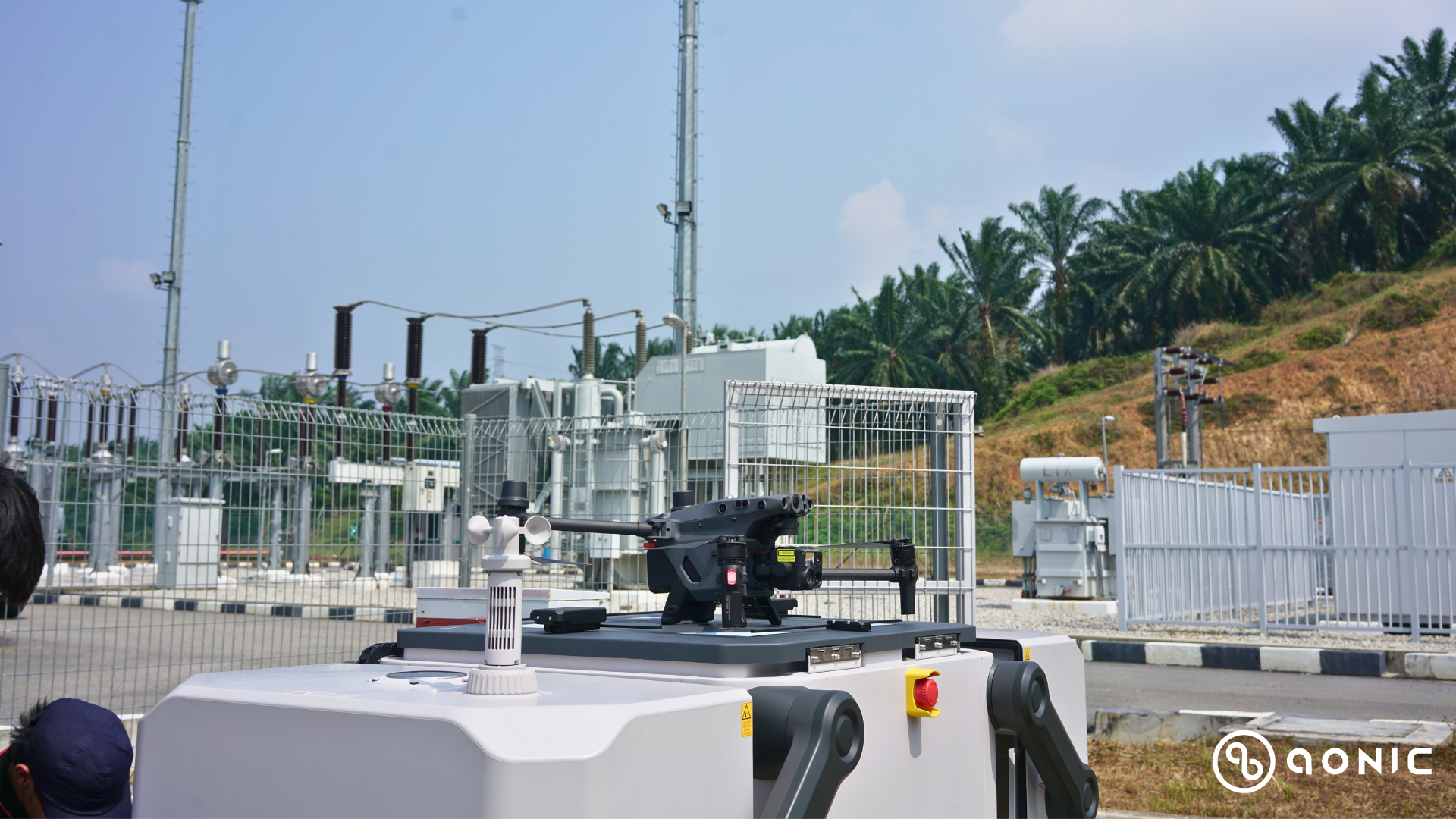
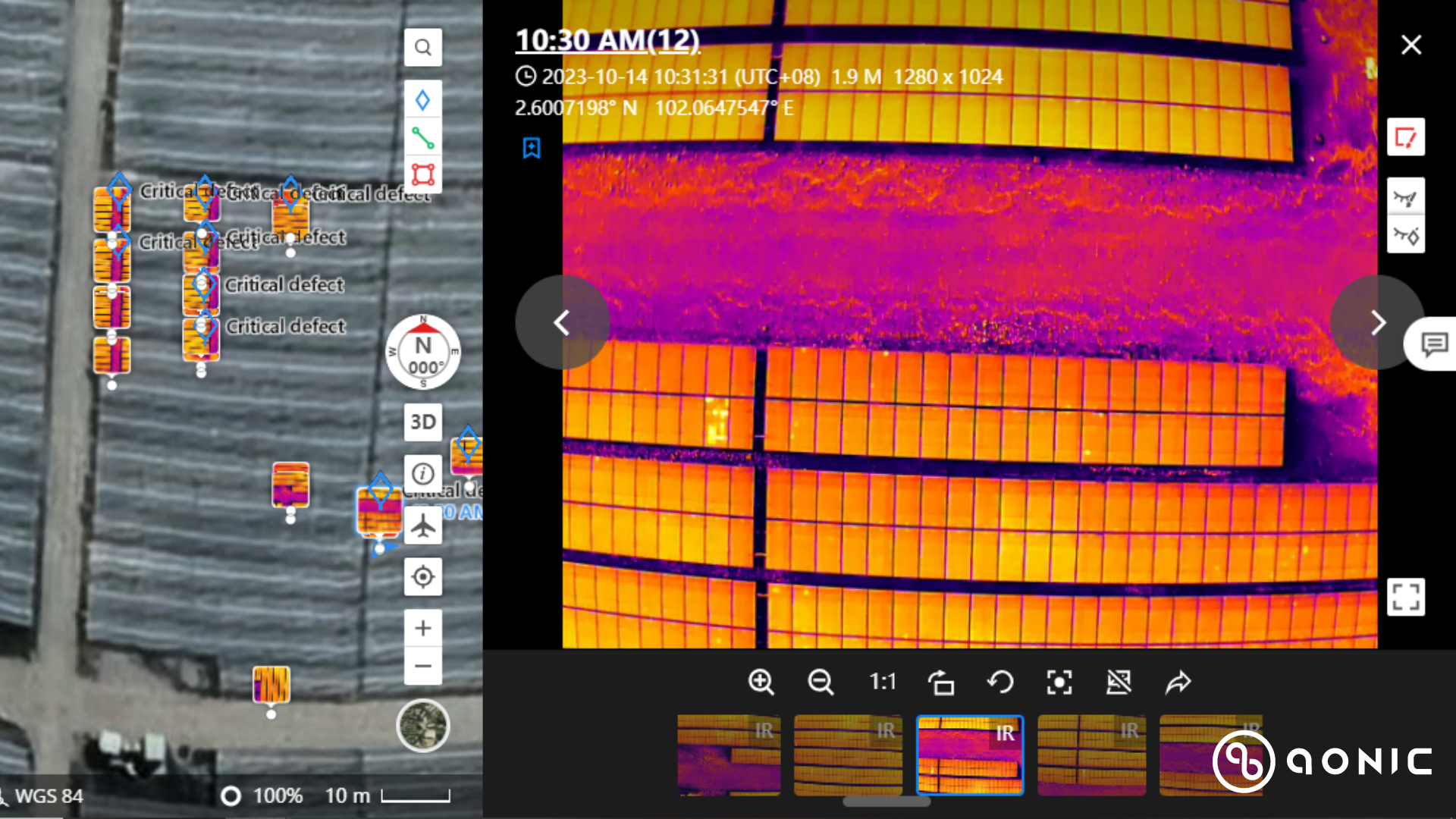
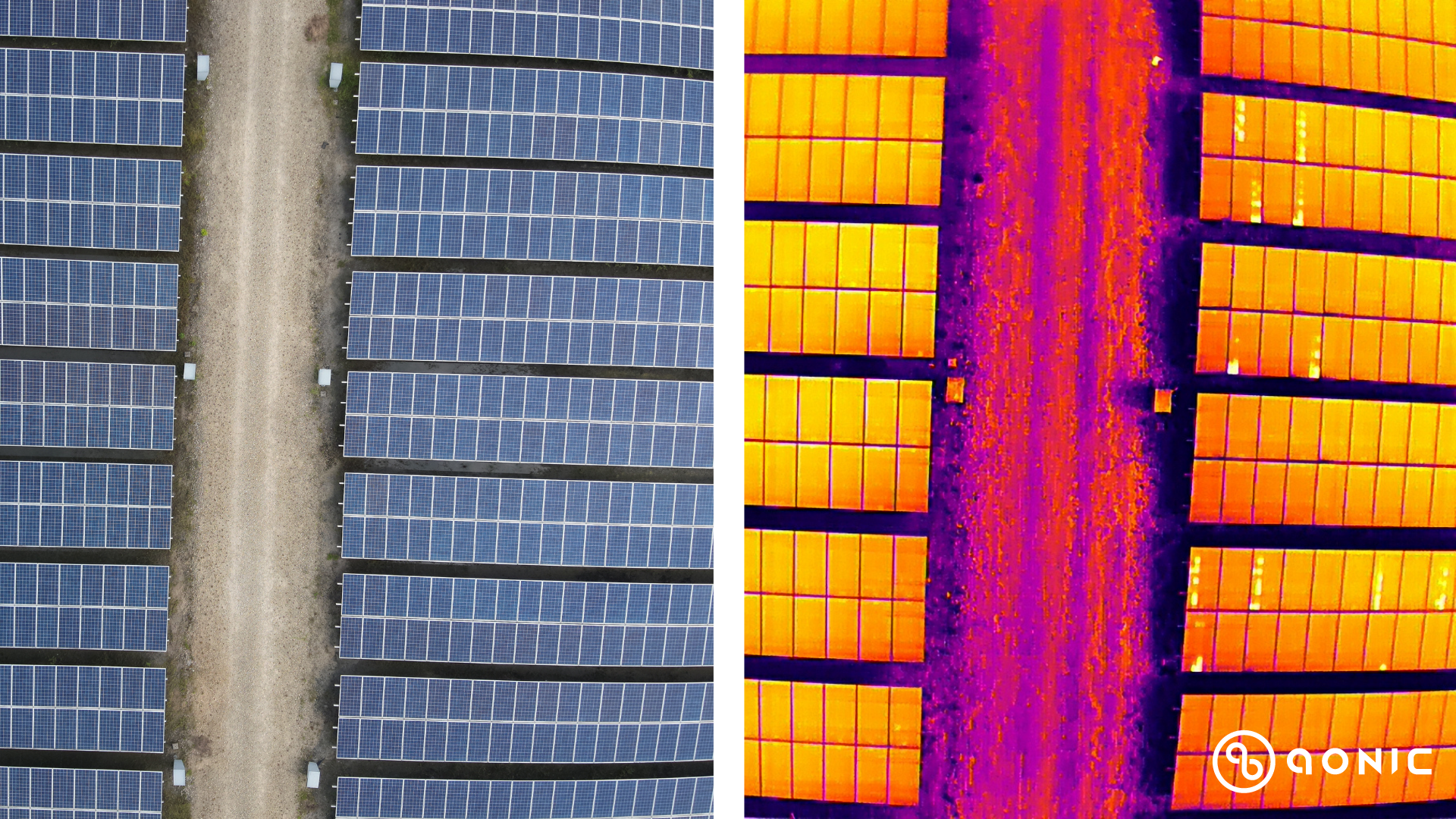
The Matrice 30 Thermal, an integral component for DJI Dock, offers advanced features for precise and reliable thermal analysis. With an equivalent focal length of 40 mm, it provides detailed and accurate thermal imaging, ensuring thorough data collection. The high resolution of 640×512 guarantees dynamic thermal imagery, capturing thermal changes in real-time through DJI Flighthub 2. Ensuring measurement accuracy, the thermal imaging camera boasts a ±2°C or ±2%3 accuracy, providing reliable thermal data for in-depth analysis.
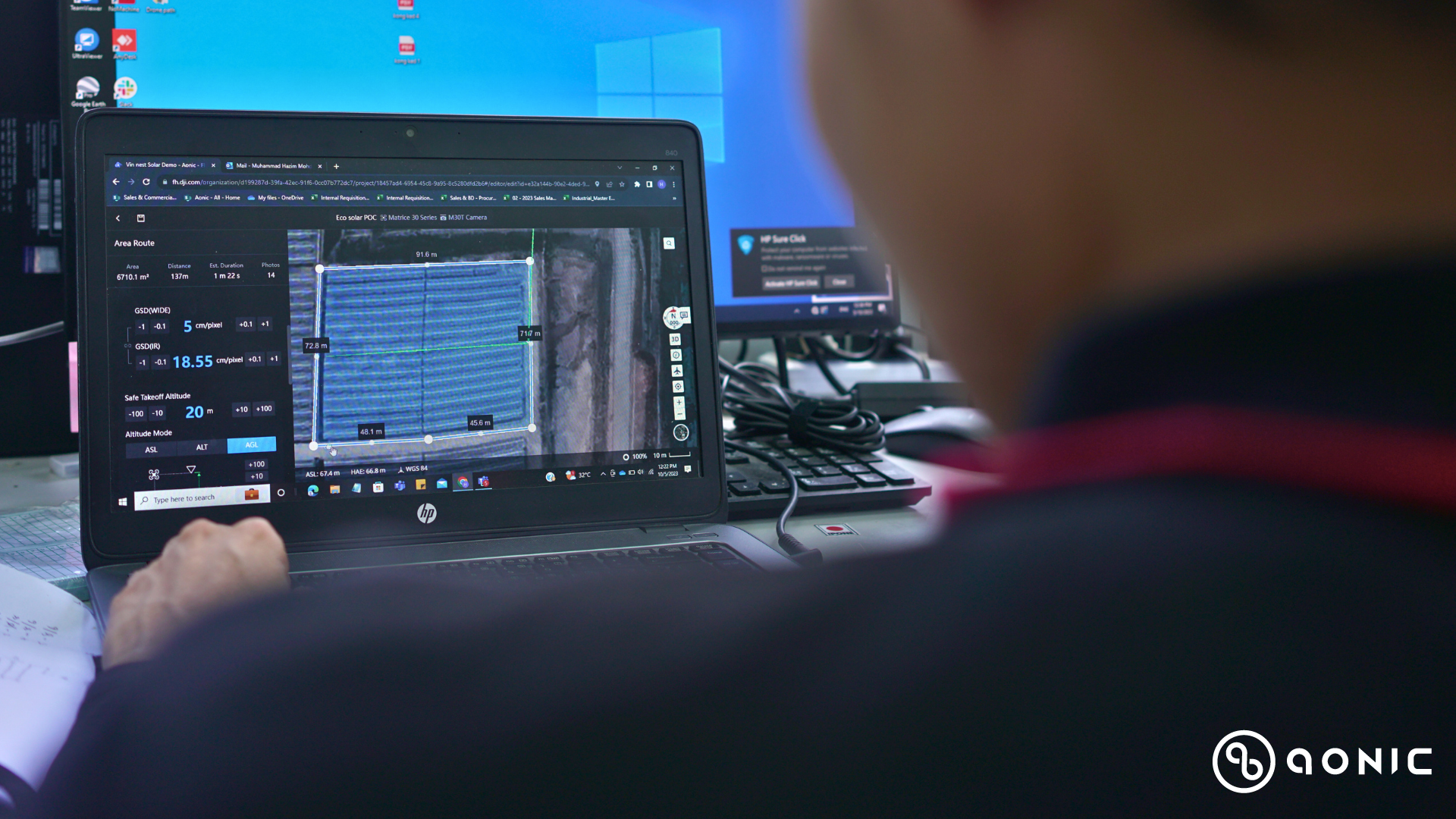
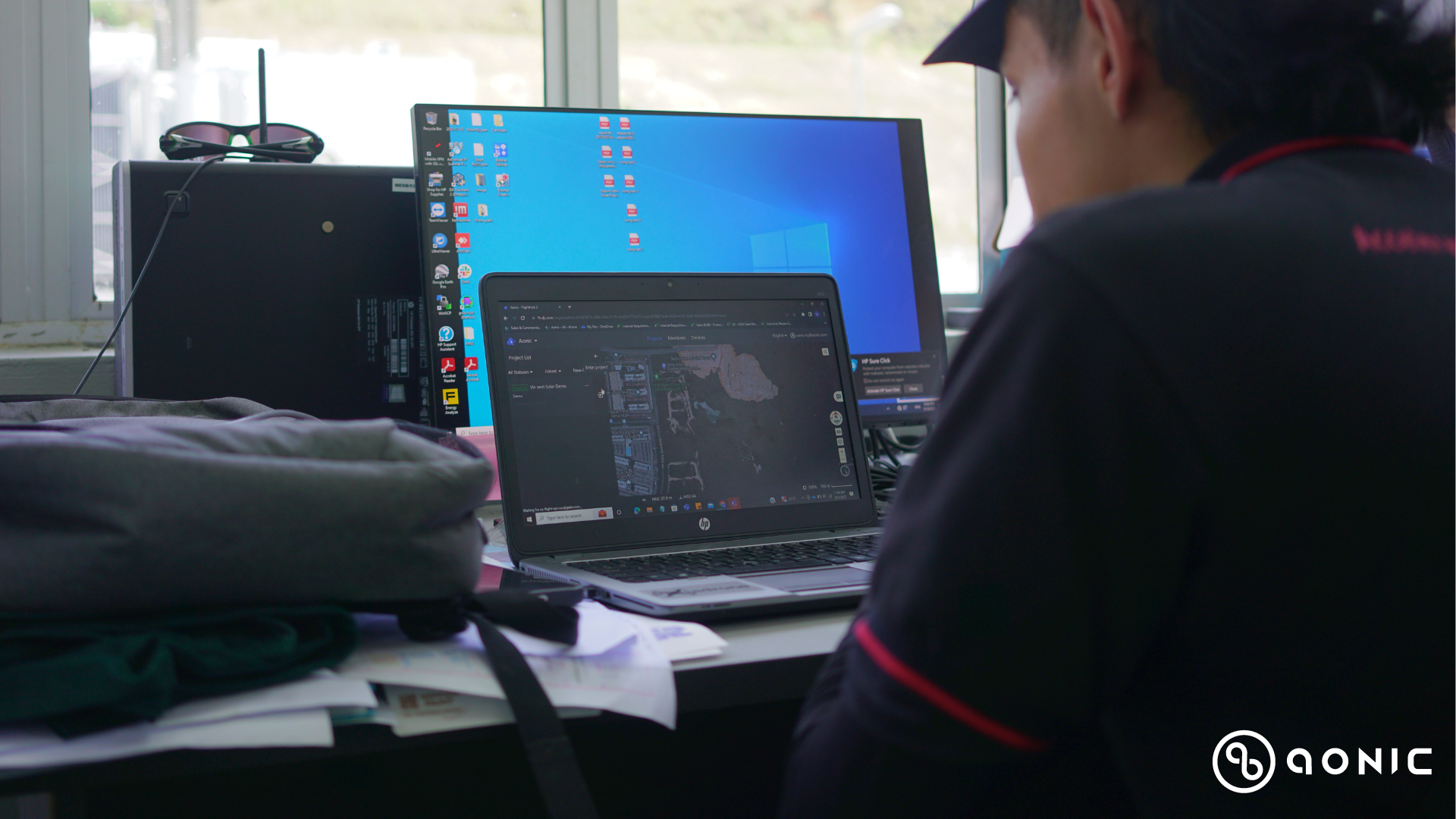
In tandem with the Matrice 30 Thermal Imaging Camera, the Cloud Platform Management through FlightHub 2 unlocks the full functionality of the DJI Dock from the cloud. This intuitive and accessible cloud-based platform allows users to schedule missions, create and edit flight routes, and manage collected data seamlessly. This streamlined setup ensures a swift and effective deployment for solar panel inspections.
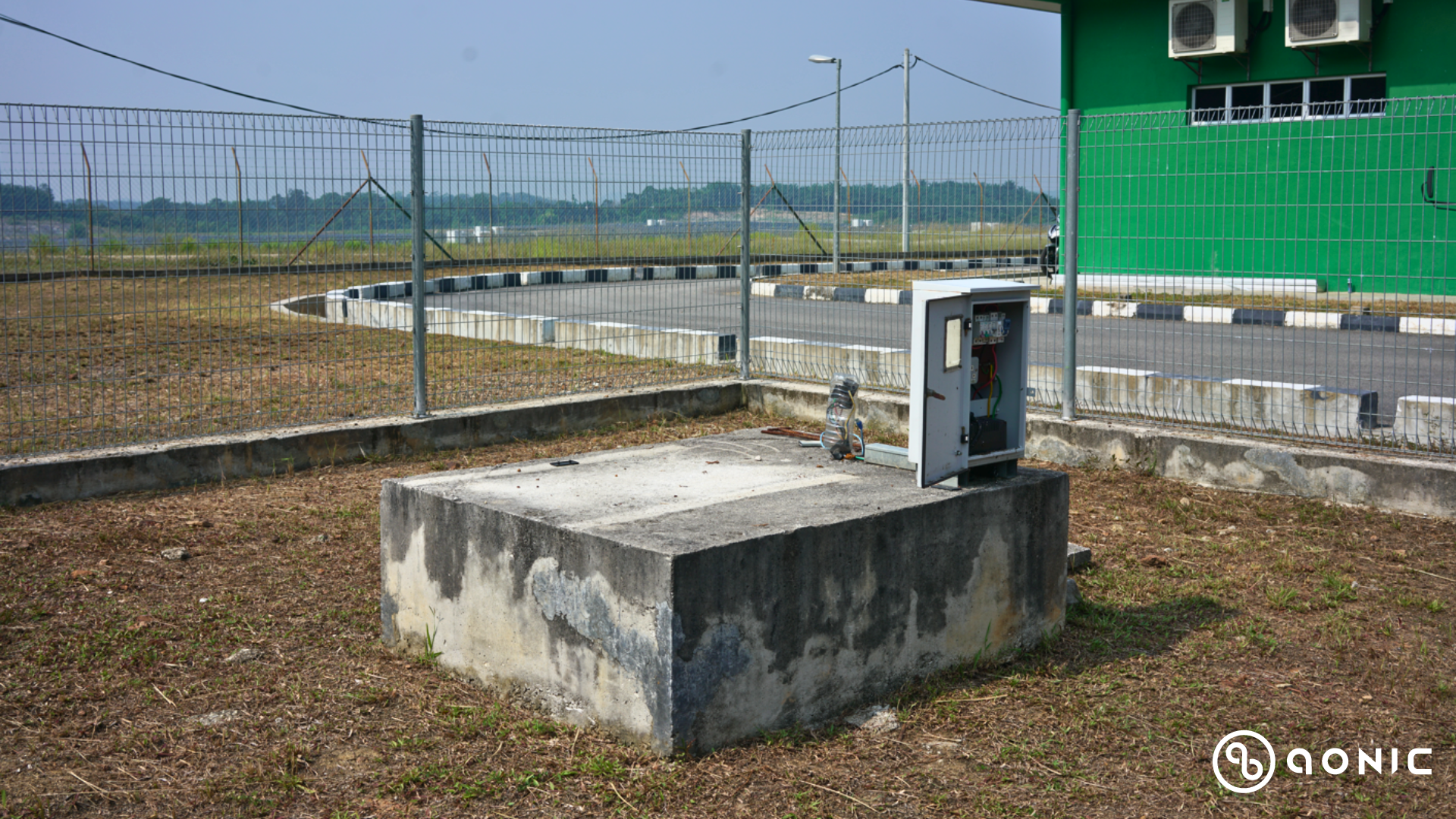
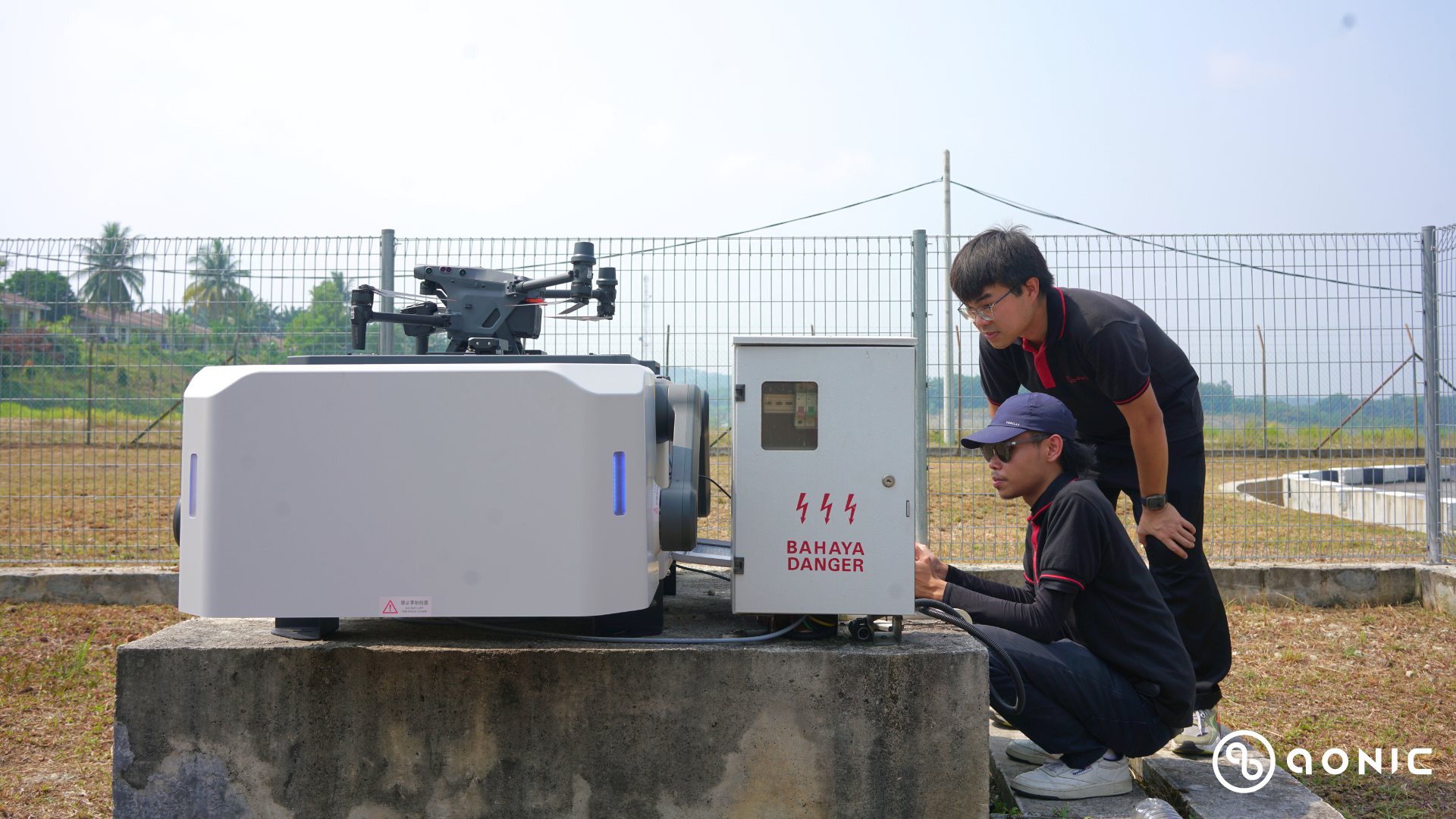
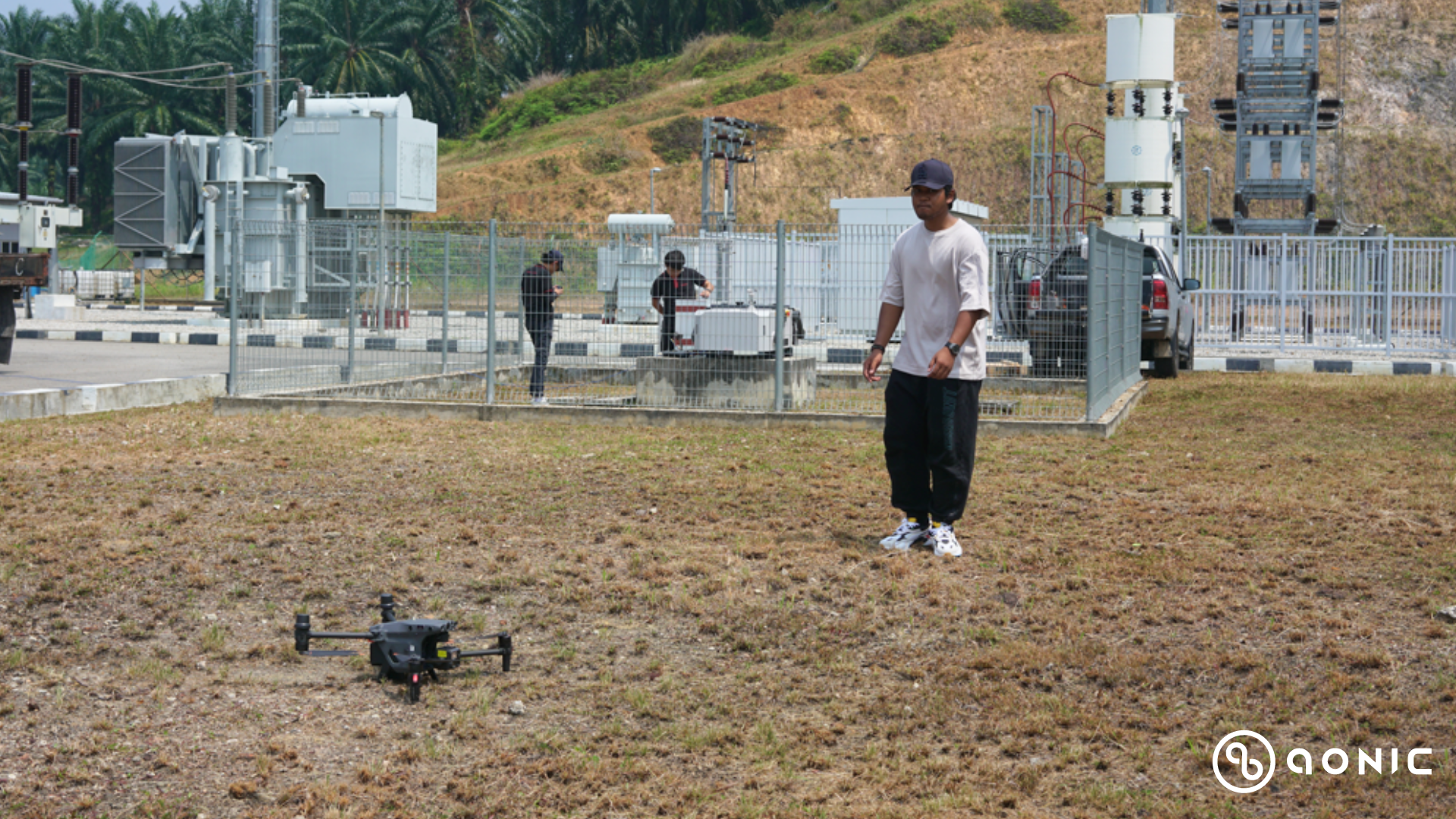
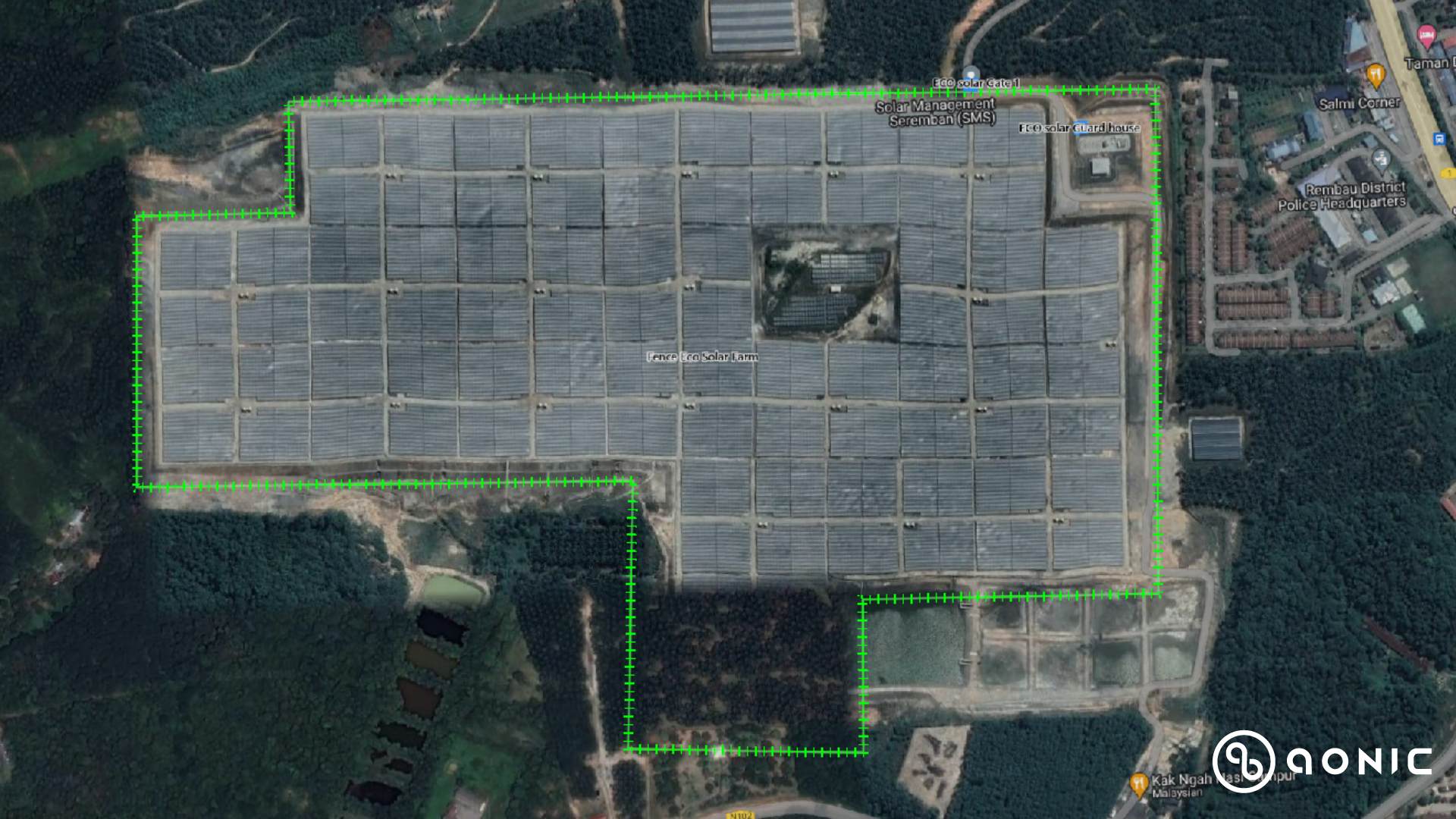
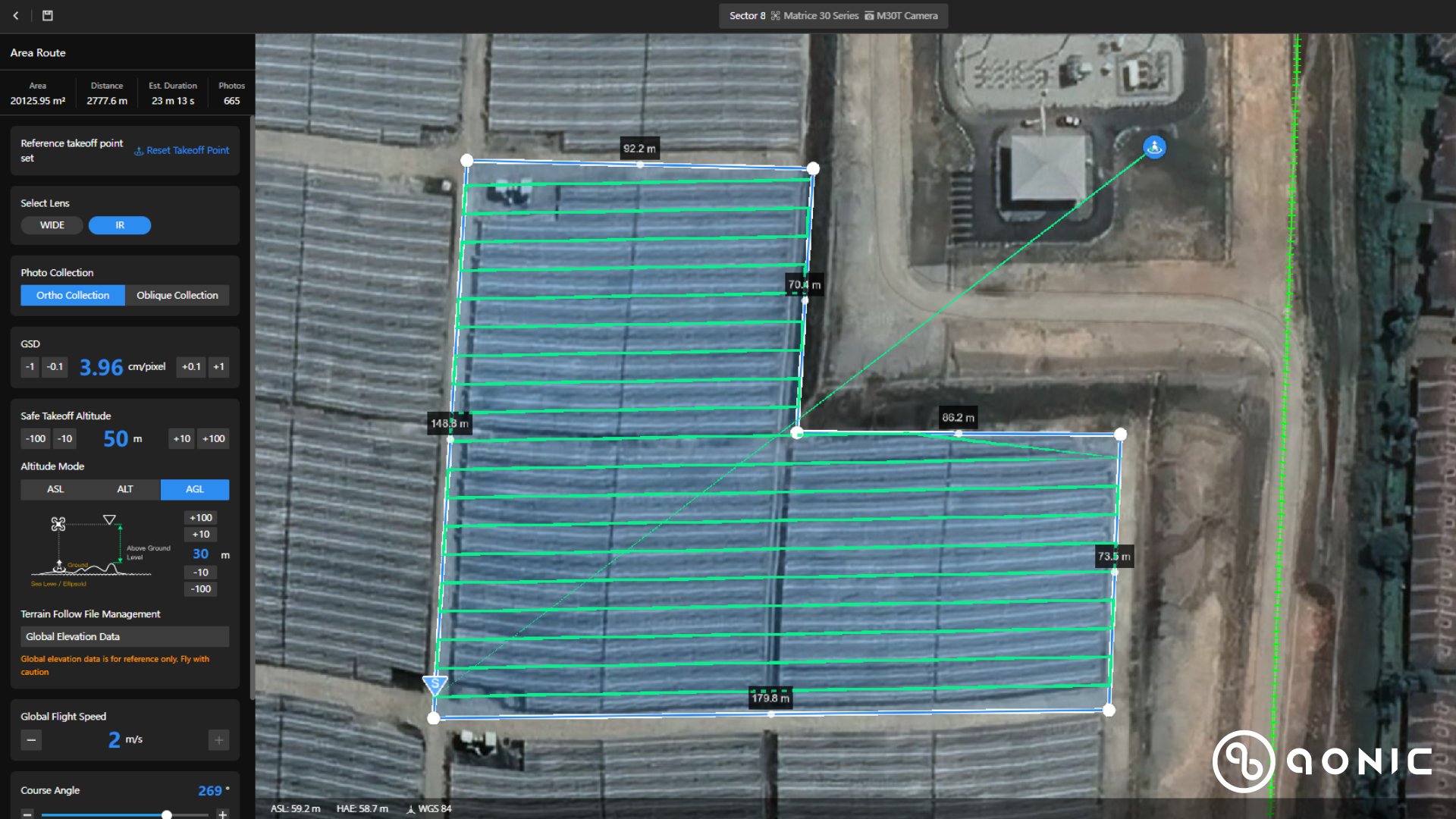
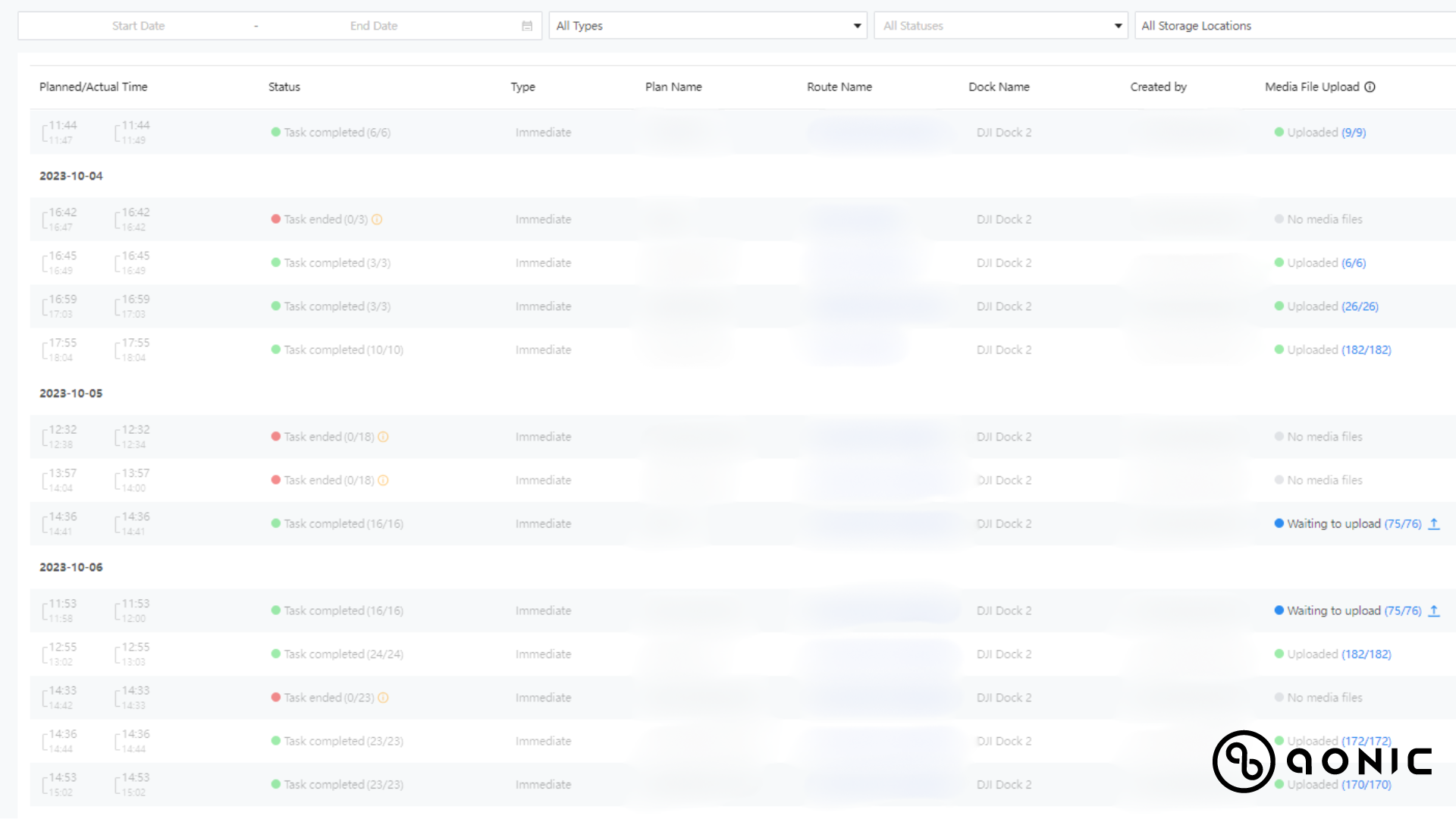
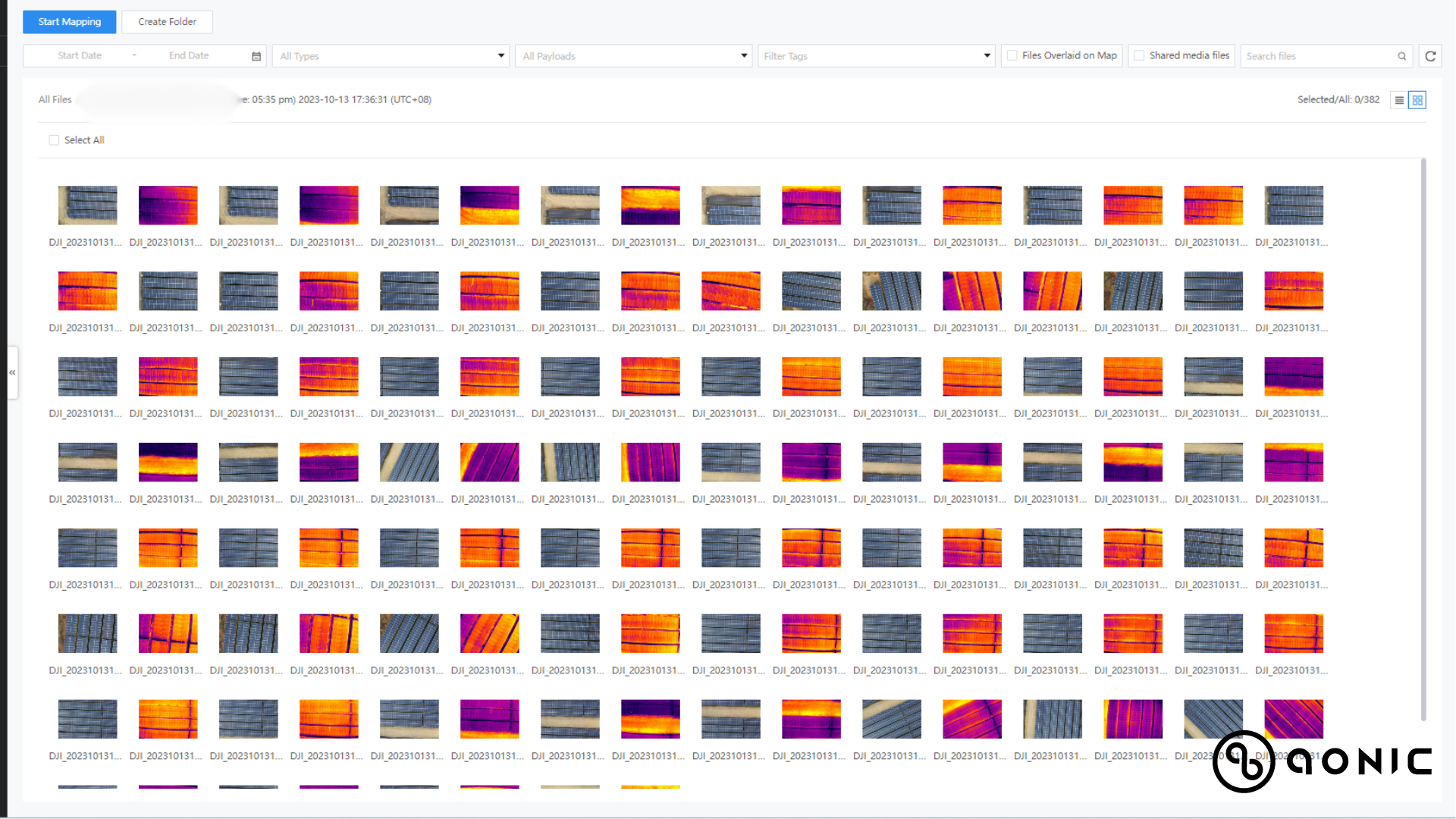
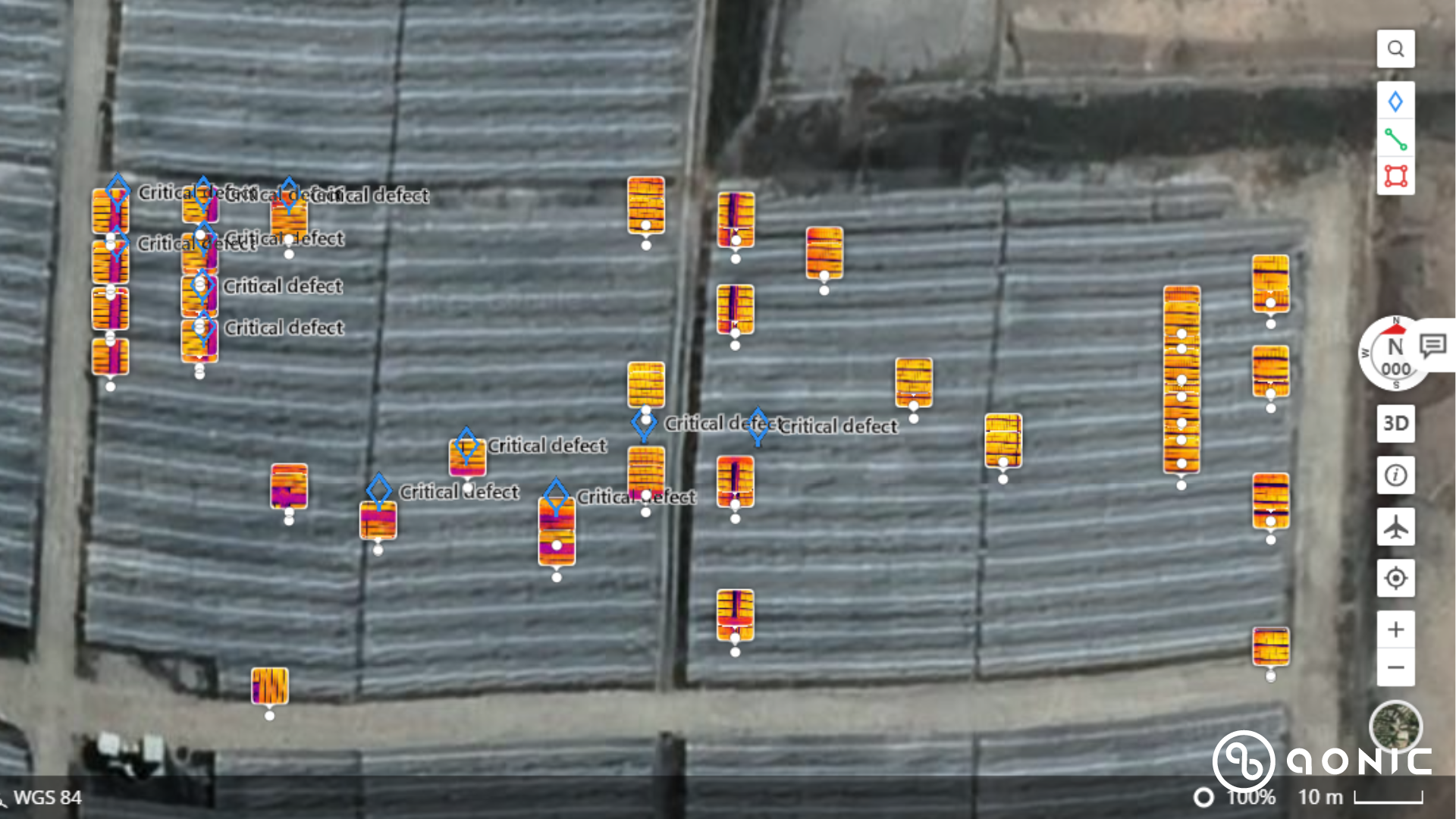
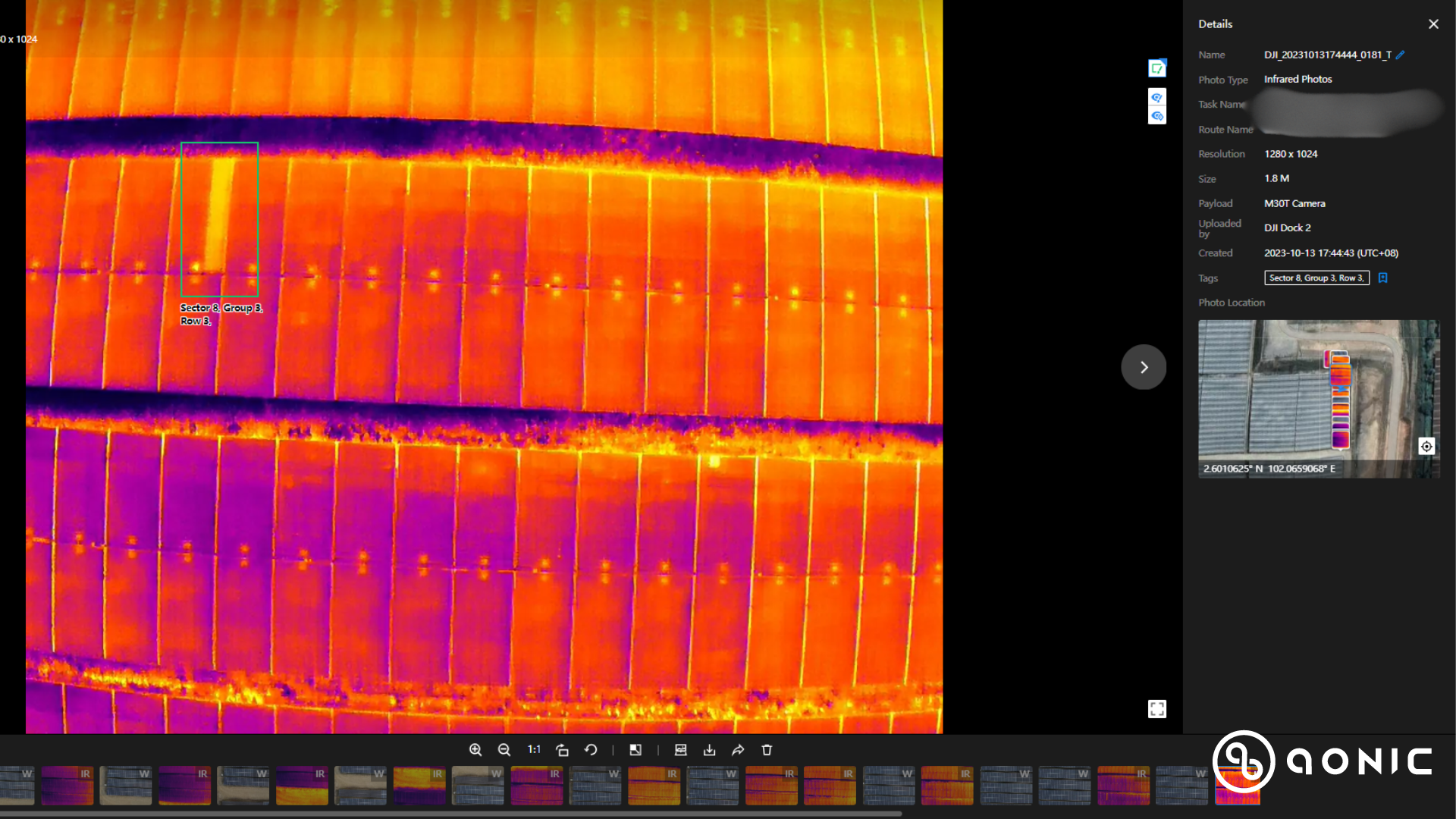
The integration of DJI Dock in solar farm inspections unfolds a host of tangible benefits that not only streamline operational processes but also elevate the overall efficiency and sustainability of solar energy production. Through a comprehensive examination of the transformative features, user testimonials, and real-world applications, we uncover how the DJI Dock is redefining traditional practices in solar panel maintenance, setting a new standard for precision, reliability, and operational excellence in the renewable energy sector.
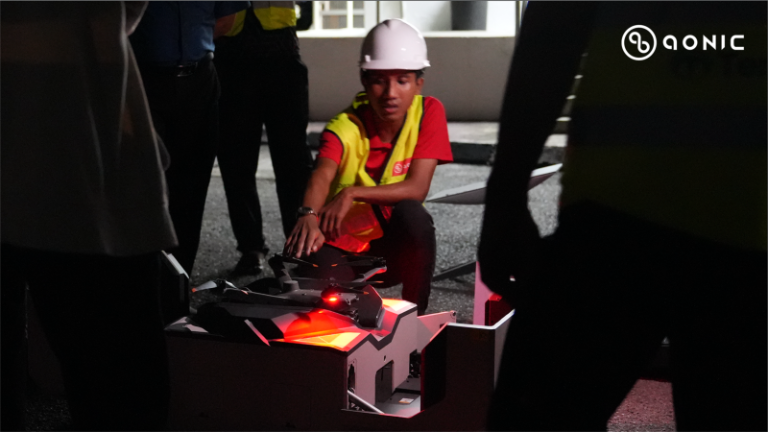
Reflecting on the experience of utilizing the DJI Dock for solar farm inspections, Hazim Sabri, Aonic Sales Executive, states, "The introduction of autonomous drone inspections with DJI Dock has revolutionized the approach to solar panel maintenance. The robust build of the dock, coupled with its autonomous features, has significantly reduced the reliance on manual labor and enhanced the overall efficiency of solar panel inspection operations. The ability to schedule routine inspections and receive real-time data through FlightHub 2 has proven invaluable in identifying and addressing issues promptly."
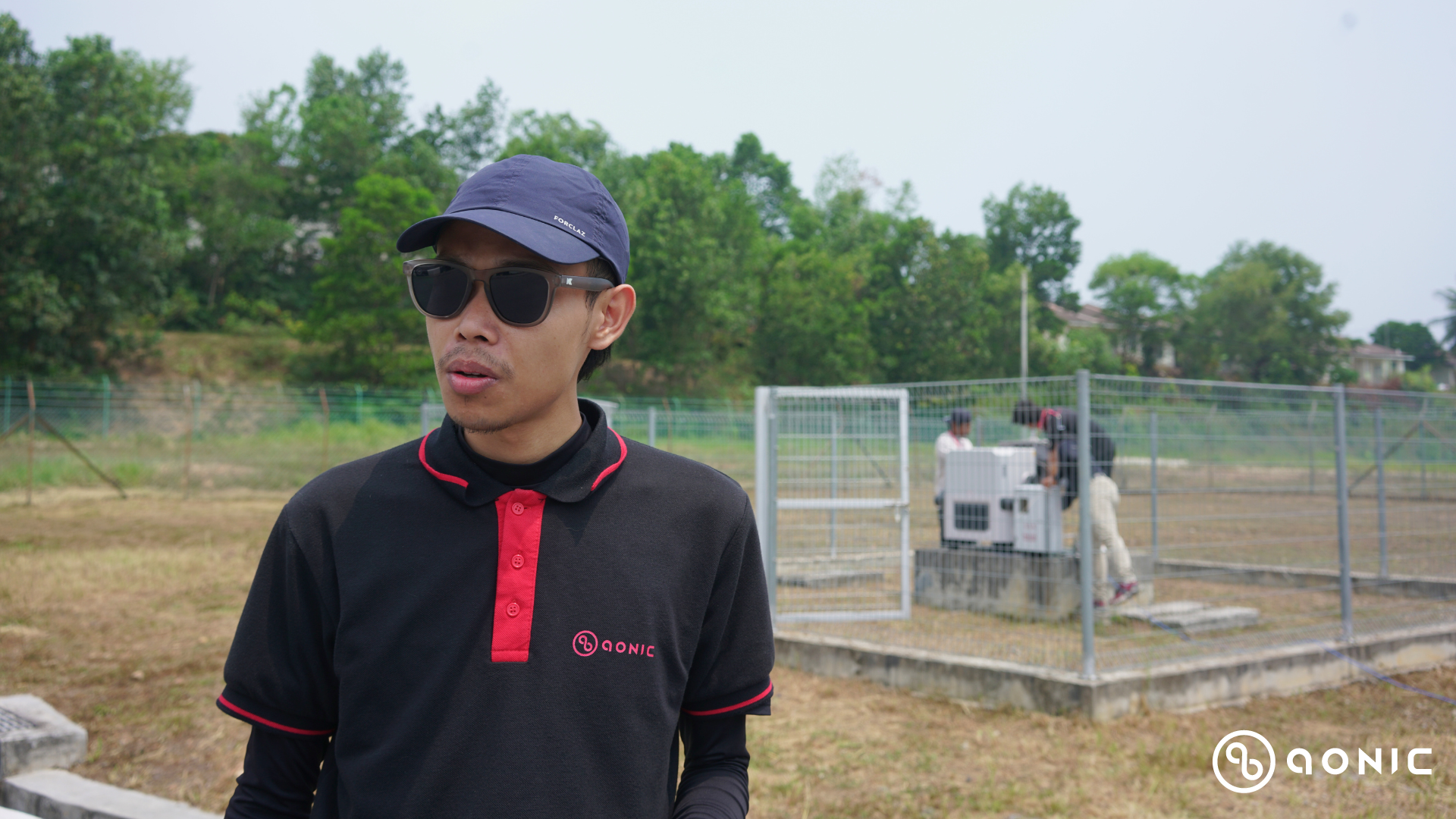
These testimonials underscore the tangible benefits and positive impact that the DJI Dock and associated technologies have had on the solar farm's operations. The firsthand experiences of these users highlight the practicality and effectiveness of the drone application in addressing the specific challenges faced by the solar energy industry, ultimately contributing to more sustainable and efficient solar panel inspections.
In summary, the incorporation of DJI Dock and autonomous drone technology has not only transformed the solar panel inspection workflow but has also brought forth a myriad of benefits, ranging from enhanced safety and efficiency to significant time and cost savings. This case study illustrates how innovative solutions can redefine traditional practices and contribute to the sustainability and optimal performance of solar energy production.