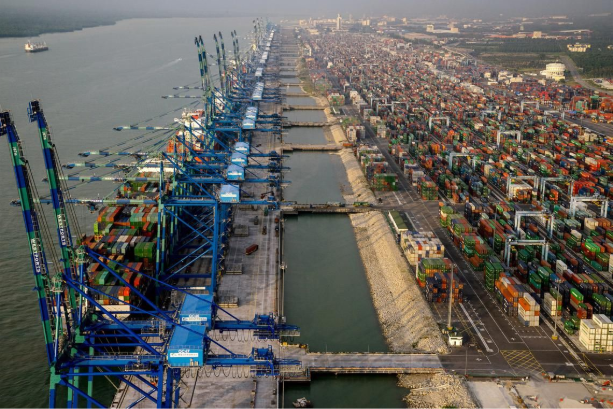
Ports are the lifelines of global trade. They connect land and sea, enable the safe movement of goods and passengers, and support entire economies. Whether it is a cargo port, passenger terminal, fishing harbor, or naval base, ports play a critical role in keeping industries and communities connected.
But managing a port is not easy. With constant vessel movement, large infrastructures, and strict safety requirements, inspections and surveillance can be complex, time consuming, and sometimes risky. Traditional methods require manpower, long hours, and costly resources.
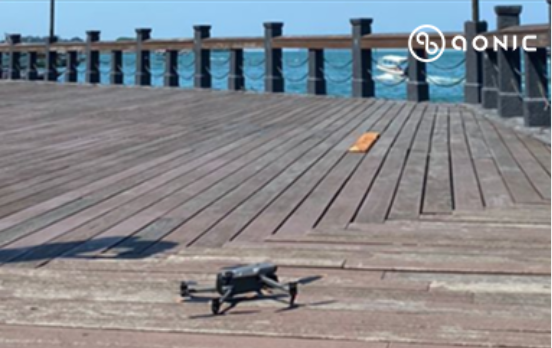
That is why many authorities are now adopting drone technology. Compact, fast, and equipped with advanced sensors, drones like the DJI Mavic 3E are helping ports improve safety, efficiency, and overall performance.
Challenges
Port inspections come with unique challenges:
Overcoming these issues requires a solution that is faster, safer, and more precise.
Equipment and Uses
The DJI Mavic 3E is a small but powerful enterprise drone designed for industrial tasks.
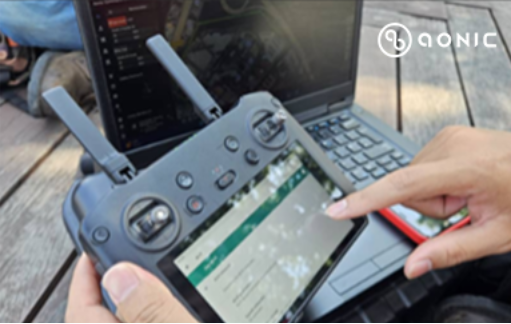
When paired with DJI FlightHub 2, a cloud-based management platform, port teams can plan missions, livestream data to multiple devices, and map activities in real time. Together, they provide a complete aerial inspection solution.
Mission Execution
For port inspections, missions are typically carried out in three steps:
With a single operator, inspections that once took hours can now be completed in minutes.
Key Areas of Focus
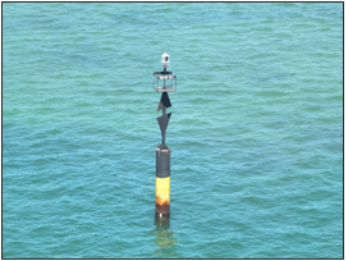
Safety buoys guide vessels through channels and warn of hazards. The Mavic 3E can zoom in to capture details like faded markings, damage, or wear without needing boats or divers.
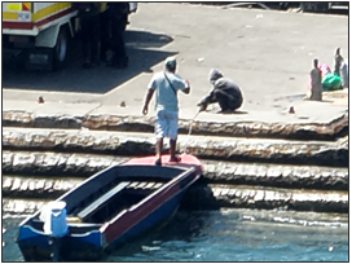
From monitoring loading operations to spotting unsafe practices, the drone provides real time visibility. Authorities can detect unauthorized access or suspicious activity quickly.
By monitoring vessel and vehicle movement, the drone helps reduce congestion, improve docking efficiency, and prevent accidents.
Structures exposed to seawater are prone to corrosion. With the Mavic 3E, teams can monitor concrete, steel, and wooden facilities over time, detecting early signs of wear and preventing costly failures.
Conclusion
Port inspections are essential, but they no longer have to rely on slow manual methods. With the DJI Mavic 3E and FlightHub 2, port authorities gain:
The result is a port that runs more smoothly, safely, and efficiently, ready to meet the demands of modern trade and transportation.