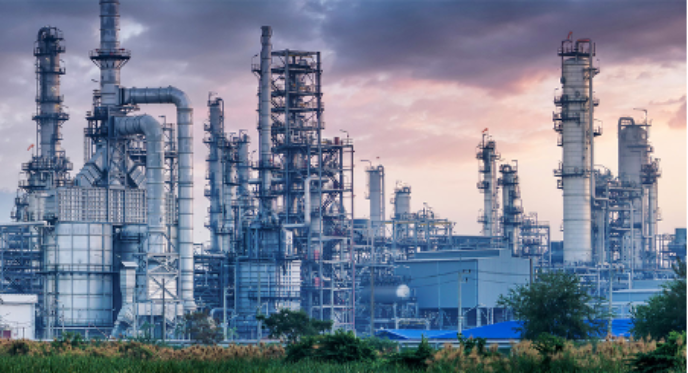
The oil and gas industry keeps our world running. From powering cars and planes to supplying energy for homes and factories, it is the most important sector in our daily lives. But behind this massive operation lies a high-risk environment. Plants handle flammable materials, work around extreme heat and often operate in remote or offshore locations.
One of the most critical parts of plants' safety is temperature control. If equipment overheats, it can damage assets, create dangerous working conditions, or even trigger explosions. Traditionally, inspections were done manually, which was slow and sometimes unsafe. Today, drone technology is changing how inspections are done, making them faster, safer, and more accurate.
Challenges
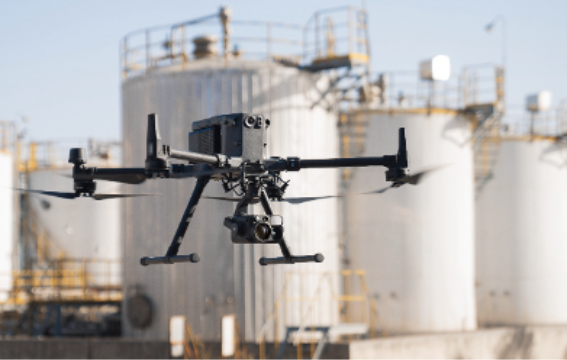
Inspecting an oil and gas plant is not simple. These facilities are huge and complex, filled with equipment that must be monitored constantly. Relying on people alone for inspections has many challenges:
Plants need a smarter way to maintain safety and efficiency without exposing workers to unnecessary risks.
Equipment and Uses
DJI has created a complete ecosystem of tools designed to meet these challenges.
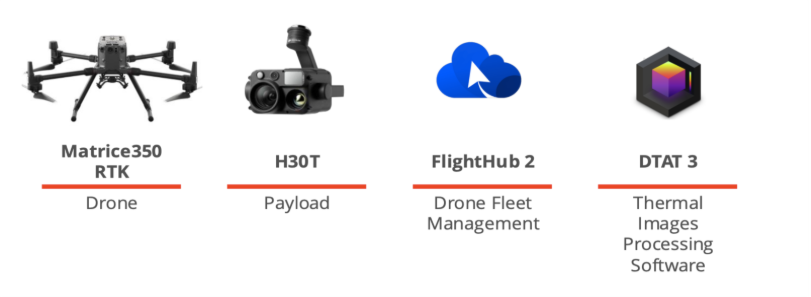
With these tools, inspection teams can now see the entire plant from above, capture high resolution visuals, and detect abnormal heat signatures before they become dangerous.
Mission Execution
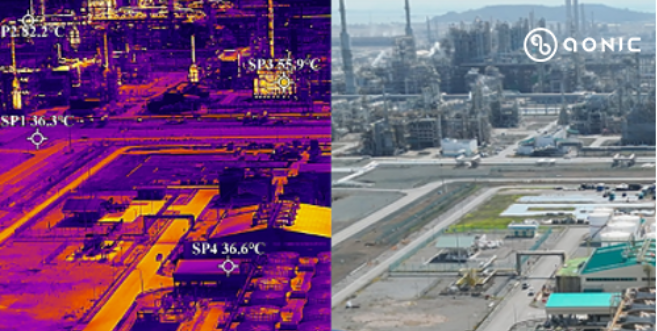
In our case study, the inspection team focused on three critical areas inside the plant.
This vessel removes unwanted liquid or particles from gas streams. By monitoring its temperature, the team ensures the system was working safely and efficiently.
The upper part of the chimney is designed to release excess hot gases. Using the Zenmuse H30T, inspectors captured clear images of this elevated area and checked its temperature to prevent structural damage and maintain stable operations.
The flare system is one of the hottest parts of the plant, with temperatures that can reach more than one thousand degrees Celsius. The drone’s thermal camera allowed the team to inspect the flare safely and confirm it was working within safe limits.
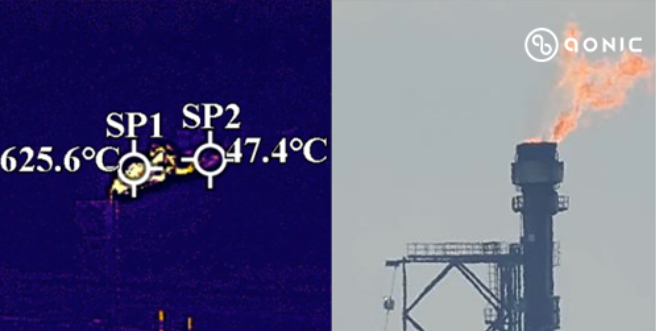
With one mission, the teams collected reliable thermal and visual data across the plant. This made inspections faster, safer, and much more accurate than traditional methods.
Conclusion
Inspections in oil and gas plants will always be important, but they no longer must put workers in risky situations or take days to complete. By using the DJI Matrice 350 RTK, Zenmuse H30T, FlightHub 2 and Thermal Analysis Tool 3, companies can now achieve accurate results in less time while keeping people safe.
This case study shows that drone-based inspections are not just a new idea. They are already transforming how oil and gas plants operate, giving teams the tools they need to protect their assets, their people, and the environment.