The sun rises slowly over the city. Power lines stretch across the horizon like veins that keep life flowing. Every home, factory, and office depends on them. Yet behind the scenes, few people notice the quiet work that keeps electricity running safely each day.
At a nearby substation, a team prepares for a morning inspection. In the past, this job meant hours under the hot sun, climbing ladders, and walking close to high voltage equipment. It was slow, tiring, and risky.
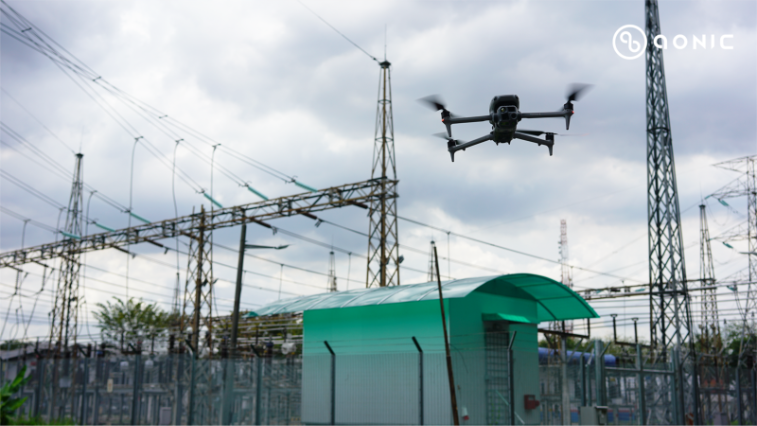
Today, something has changed. Instead of scaffolding and tools, a small aircraft lifts into the air and begins to move gently above the site. This is the DJI Matrice 4T, a new way to keep the lights on.
Why Substation Inspection Are Changing
Substations are the heart of every power grid. They connect electricity from power plants to homes and businesses. But inspecting them is not easy.
The work environment is tight, the structures are complex, and safety is always a concern. One mistake can disrupt the flow of power. Traditional inspections often take days and put workers close to danger.
That is why the team turned to smart technology. Aerial inspections allow them to see every corner clearly while staying at a safe distance.
A Smarter Way to See
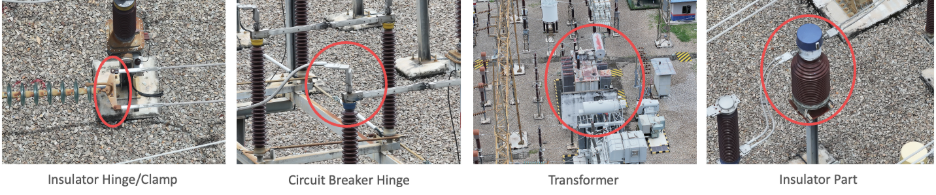
The DJI Matrice 4T was made for tasks like this. As it hovers above the substation, its camera captures sharp, detailed images of transformers, switches, and cables. From the control room, the team can zoom in and study the smallest marks that would normally go unnoticed.
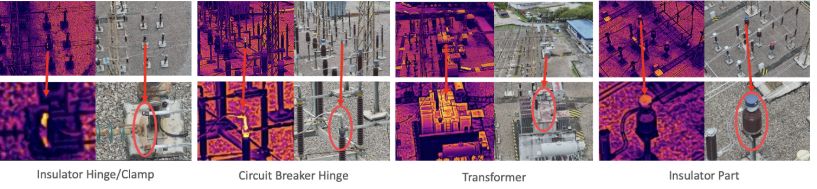
The thermal view adds another layer of understanding. On the screen, the team can see temperature patterns across the equipment. Bright spots show areas that are too hot, helping them detect possible faults before they cause damage.
Everything is streamed through DJI FlightHub 2, allowing others to watch the inspection live. What once required several workers, and an entire day now takes one flight and a few minutes.
Behind the Scenes
Each inspection begins with careful planning. The crew selects the flight route, sets the height, and checks the weather. Once ready, the drone follows its path automatically, capturing images and thermal readings along the way.
From below, the pilot watches as the camera turns and adjusts. The drone sees what the human eye cannot, from loose bolts to faint signs of rust.
After landing, all the data is reviewed and compared with older reports. Patterns appear clearly, helping the team make quick, confident decisions. A complete inspection that once took hours is now ready before lunchtime.
More than Just Technology
For the team, the drone is not a replacement. It is an extra pair of eyes that makes their work safer and more efficient.
They no longer need to climb into high or narrow spaces. They spend less time in the field and more time understanding the data. The DJI Matrice 4T gives the confidence to work faster and safer while keeping the power network stable.
This approach also supports sustainability. Fewer site visits and less use of heavy equipment mean lower fuel consumption and reduced emissions. Smart technology is helping create a cleaner way to manage energy.
Conclusion
Substations are only one piece of the energy network. Across the country, power providers are discovering how aerial technology can improve their daily operations. By collecting accurate data from the air, they can plan maintenance more efficiently, prevent power failures, and keep electricity flowing without interruption.
The DJI Matrice 4T is a tool that combines innovation, safety, and responsibility. It shows how technology can serve people and the planet at the same time.
When the inspection ends and the drone returns to the ground, the lights stay on, the city keeps moving, and life continues without pause. Smart technology may fly high, but its impact is felt right here on the ground in every home that stays bright.