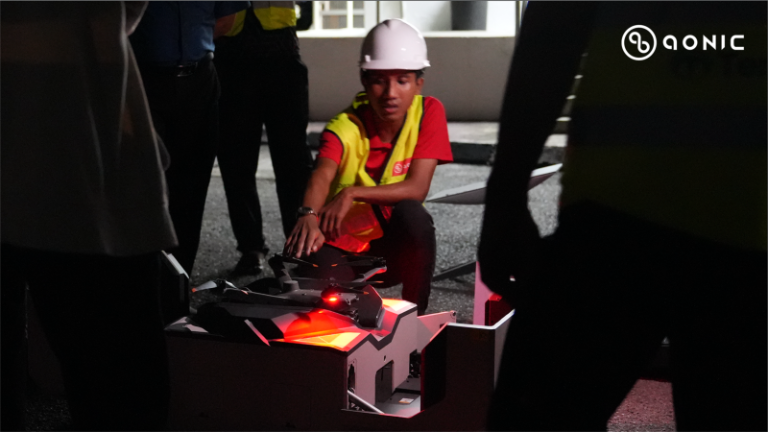
Firmware is the heartbeat of any hardware product. It connects physical components to user interactions and plays a defining role in how a product performs in the real world. As Head of Engineering, one of the most complex yet rewarding initiatives I’ve led was our journey from alpha to beta in firmware development.
This wasn’t just a technical exercise — it was a company-wide effort that pushed us to grow in how we collaborate, prioritize, and deliver. Through this process, we didn’t just evolve the firmware — we matured as a team and an organization.
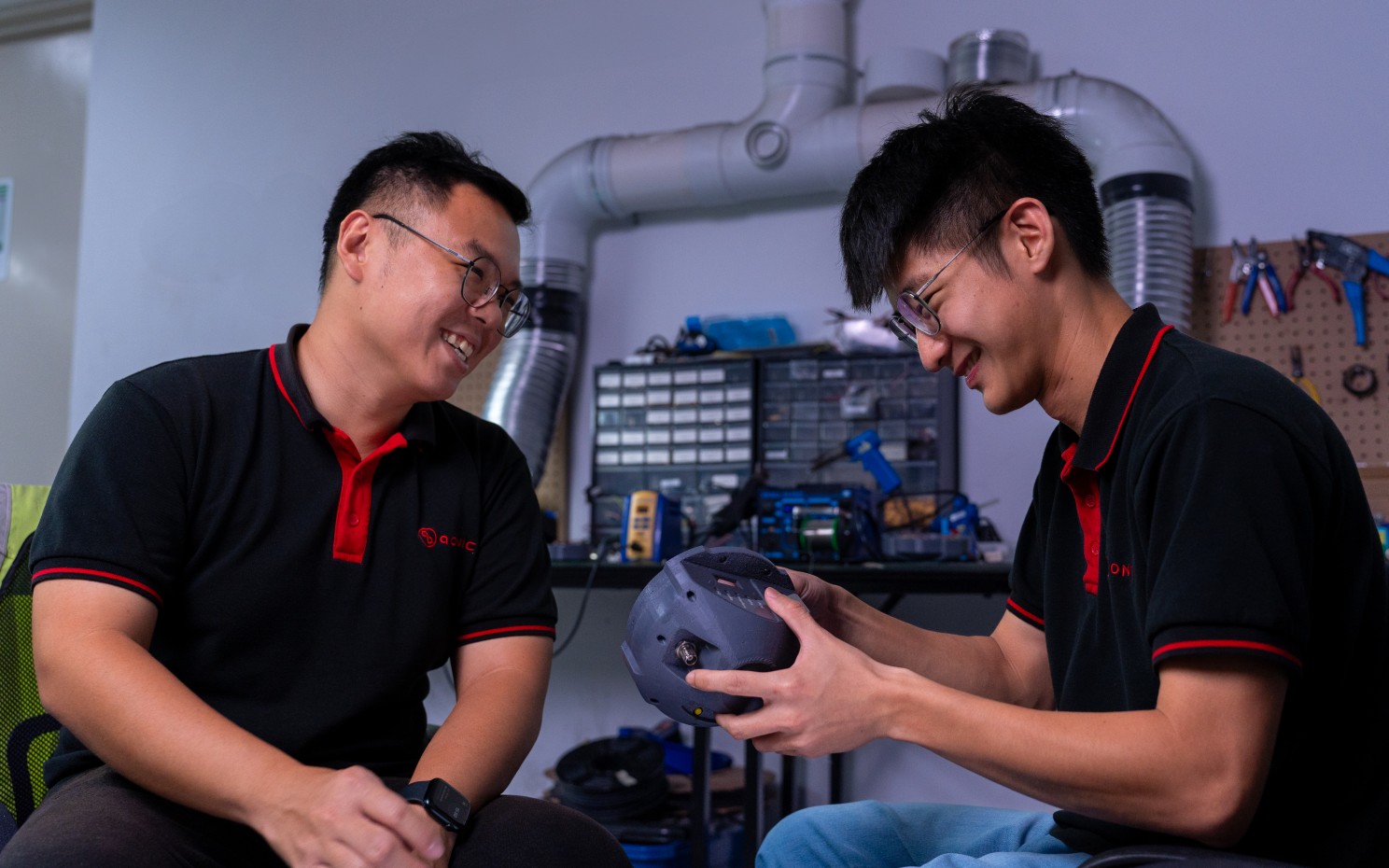
When we launched our alpha firmware, we made one thing clear to all teams — this phase wasn’t about perfection. It was about learning.
Integration, Not Isolation
Our product required close coordination between hardware, firmware, and software. This meant that firmware wasn’t an isolated module — it was deeply integrated with sensor readings, motor controls, safety mechanisms, and user inputs. Even small errors could have cascading effects.
During alpha, we deployed firmware to select internal users and testing teams. We then ran these iterative cycles — collecting logs, debugging anomalies, and improving performance. This gave us high-signal feedback, fast.
Real-World Testing Reveals What Labs Can’t
No amount of simulation or lab testing could prepare us for real-world variability. Environmental factors like temperature, battery conditions, electromagnetic interference — these weren’t theoretical challenges. They were real, and they had a direct impact on performance.
These were the kinds of lessons you can’t design your way around — you have to experience them. That was the whole point of alpha.
Surprises Are the Point — Not the Problem
We designed our alpha to be flexible and open-ended. We weren’t just testing features; we were testing assumptions. We expected surprises, and we got them — firmware bugs that only appeared after hours of runtime, edge cases in power cycles, and unexpected sensor drift under certain conditions. These findings helped us recalibrate both the technical design and our testing methodologies.
Alpha, to us, was a controlled environment where we expected things to break, expected issues to surface, and welcomed surprises that would teach us more about the system we were building.
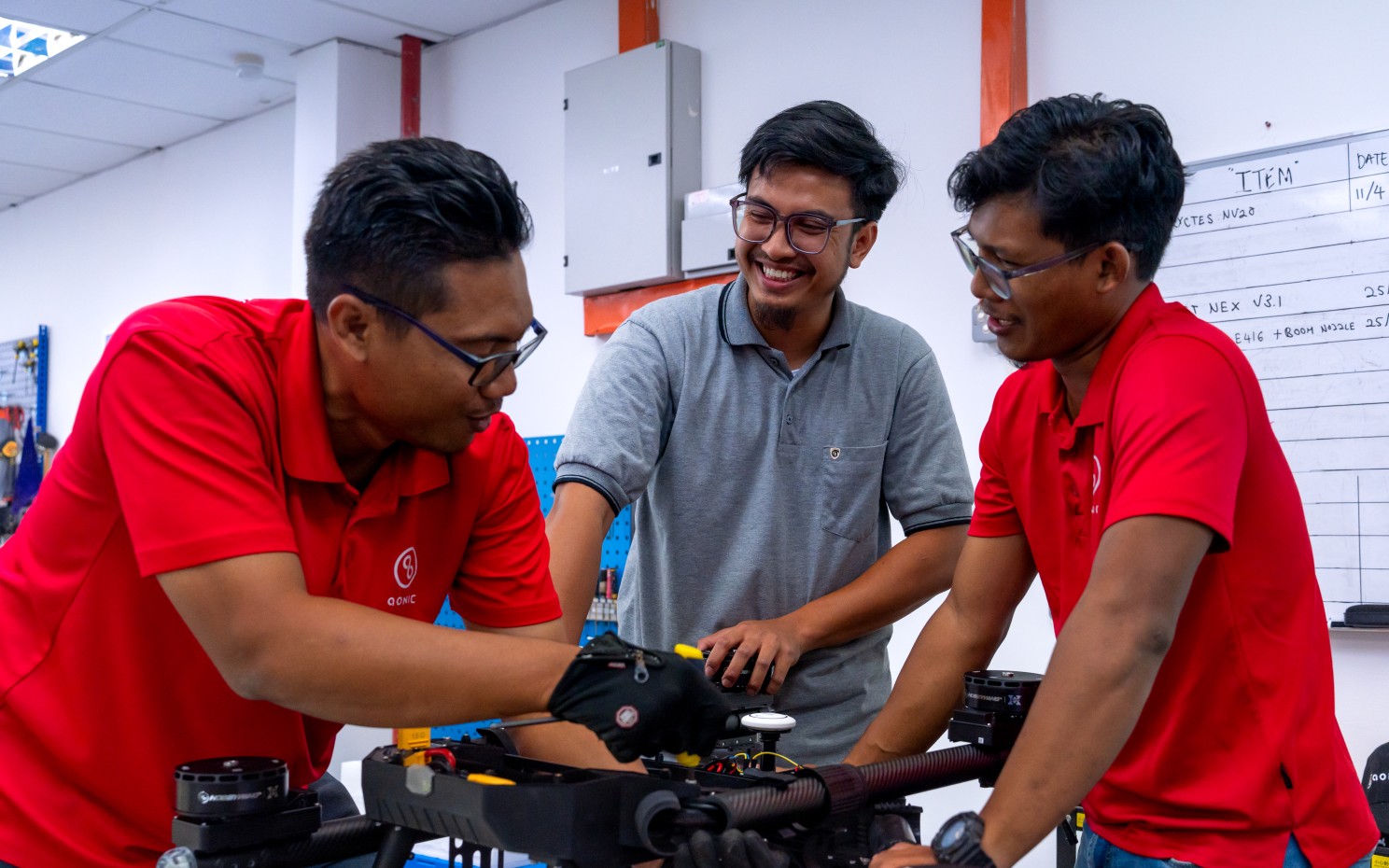
For Alpha to be successful, we had to treat this exercise as a cross-functional mission which involved other departments like QA, hardware engineering, product management, and field operations.
Different teams had different goals — QA wanted stability, product wanted speed, engineering needed time. Initially, that caused some friction. But we built frameworks to keep us aligned: weekly syncs, shared logs, clear escalation paths. Over time, we learned how to work with — not around — each other.
This collaboration led to faster issue resolution and better product decisions. For instance, a seemingly minor sensor calibration bug flagged by operations turned out to affect an entire safety-critical feature. Because we had an open channel of communication, we caught it early.
Moving from alpha to beta wasn’t a moment in time — it was a gradual shift that required strategic decision-making. And it wasn’t always easy. The temptation to perfect every detail, to polish everything before moving forward, was strong.
To stay focused, we used a triage matrix that looked at impact, effort, and risk. It helped us to double down on high-impact improvements and keep the “progress over perfection” in mind.
For example, in one module, we had the option to refactor a control algorithm that would improve efficiency by 10%, but it introduced complexity and delayed other fixes. After weighing it with stakeholders, we postponed it to post-beta and focused on stability.
Beta required us to think beyond the firmware itself. We had to plan for things like over-the-air (OTA) update reliability, rollback mechanisms, and compatibility with evolving hardware revisions. These are often overlooked in early development but are critical for a successful deployment.
Engineering is more than solving technical problems — it’s about building the systems, habits, and relationships that help us learn faster and move smarter.
Our goal was never to build firmware that just worked in theory. We wanted something battle-tested, field-proven, and ready for the unexpected. Alpha taught us how to get there.
There’s still more to do — but if there's one thing I’d leave with fellow builders: don't chase perfection too early. Chase learning. The rest will follow.