Were we really listening to our customers, or were we just hearing what we wanted?
In the business of implementing technology, particularly in traditional industries such as agriculture, we came to learn that hearing and listening are not the same. Although subtle, the ability to hear is something that majority us are born with, while listening is an art that takes years to understand and is a lifelong journey to master.
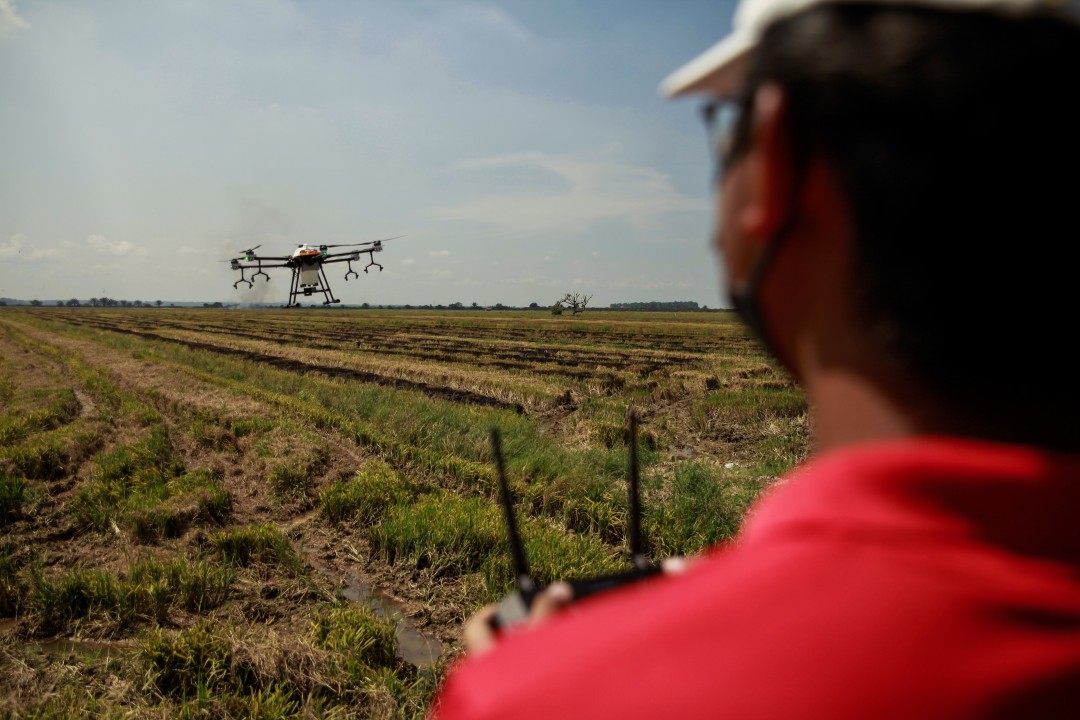
When Aonic first introduced our drone services to the agriculture sector, like many young startups, we were confident that we had a game-changer on our hands. Drone technology seemed poised to revolutionize how farming was being done. However, the reception from farmers was far from what we anticipated. We were met with hesitation and doubts about the technology, with the most common question being: “What can drones actually do to help us?”
This forced us to take a step back and think. Were we really listening to our customers, or were we just hearing what we wanted?
Hearing, as mentioned above, is something most of us know how to do from day 1. It’s all about collecting data, digesting information and responding to what someone is saying. Listening, on the other hand, requires connecting with our customers, being able to put ourselves in their shoes and finding out what truly matters to them beyond the words that were spoken.
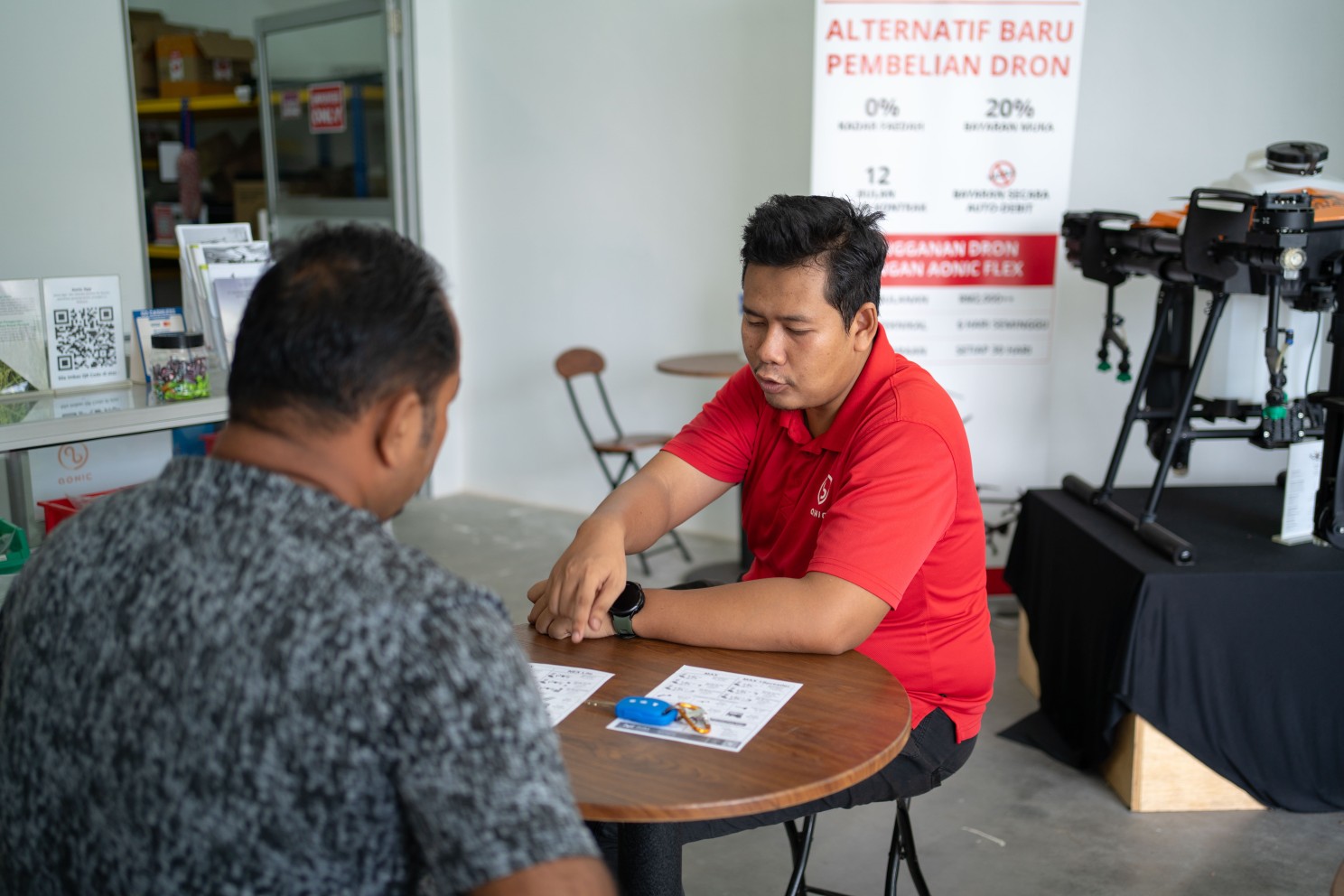
For us, this means realizing that farmers don’t care about the latest or coolest drone technology. They were concerned about the affordability of a new solution, ease of use, and a long-term support system. Essentially, they needed to trust that we knew their pain points and were committed to working alongside them to figure out how drone technology would bring long term sustainable value to farms.
Truly listening to customers is typically an uncomfortable journey when you realize that to convince customers, there’s a lot more than just building and shipping the best product to the market. It often means having to work on ancillary services which is outside of our core expertise.
As such, it was not just a logistical challenge to listen, but an emotional and financial challenge. However, the results show that in the long run, listening, although difficult, was the more sustainable path forward.
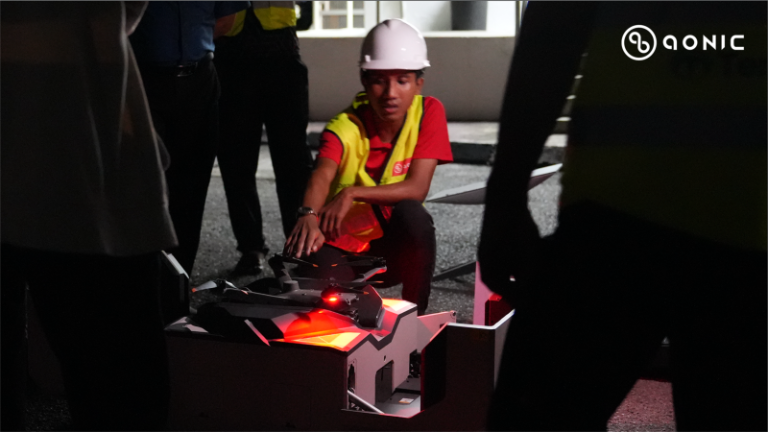
To connect with our customers, we had to be as one with them. For us, that meant spending actual time on the ground, getting our hands dirty, and at certain points even understanding what’s happening on the farms better than our customers. This allows us to gain trust with the community and weight behind our words.
Listening isn’t just about what is being said, rather it’s about understanding what is left unsaid. Southeast Asia has a culture against outright and direct feedback, hence it’s important to create an environment that is comfortable for customers to share their true thoughts, often indirectly and through subtle cues.
As part of listening, it’s equally important to prioritize requirements and distinguish between the needs, the wants and the noise. This allows us to focus our resources on what truly matters for our target group of customers and deliver value plus continuous improvements efficiently.
The most important part to close the loop of listening is to act on the insights gained. There is no faster way to lose someone’s trust than to appear to listen but then disappear and make no effort to improve or change.
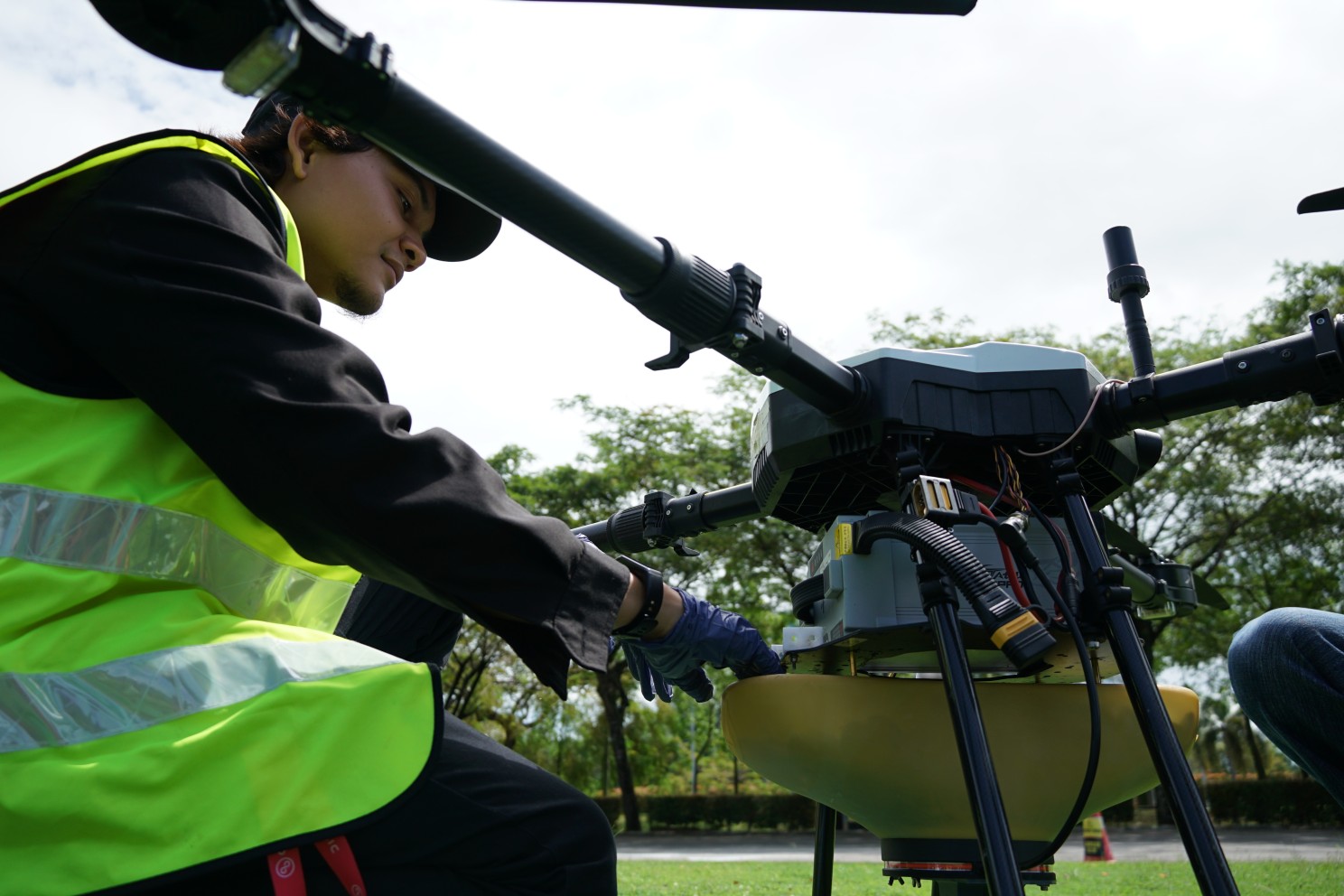
This commitment to listening has shaped how we operate at Aonic. It aligns with one of our core value “Curiosity”, where we continuously listen to our customers, build trust and find out how to create real sustainable value for the communities we serve.
For example, farmers who once hesitated to adopt drones now see them as an essential tool in their operations. The combination of financial accessibility, expert guidance, and a genuine partnership has fostered deeper relationships. And those relationships are at the heart of everything we do.
We’re still learning, still growing, and still listening. For us, this isn’t just about drones or technology; it’s about empowering communities through smart solutions. By listening, we’ve found purpose beyond products—and that’s the foundation of our growth.