What they rarely see is the workforce behind the scenes. Workers drive across rough terrain, haul heavy panels, and spend hours moving equipment from one point to another. It is tough, time consuming, and expensive work.
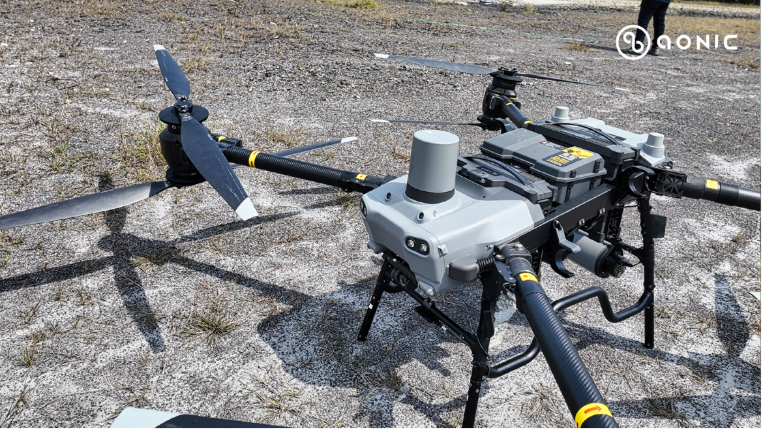
Now imagine replacing some of that labor with a drone that can carry heavy loads, fly directly to its destination, and deliver with precision. That is exactly what the DJI FlyCart 30 is doing. Instead of trucks and manpower, drones are starting to take on the heavy lifting in solar farms.
The Challenge of Solar Farm Operations
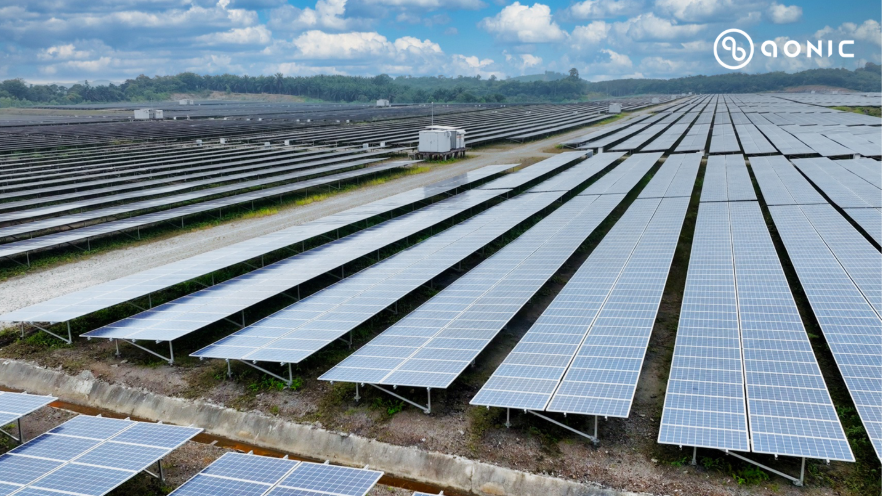
Solar farms are massive. A single site can cover hundreds of hectares, making logistics a daily challenge. Traditional transport relies on fuel powered vehicles that:
This slows down efficiency and keeps workers exposed to tough conditions.
Enter the FlyCart 30
The DJI FlyCart 30 is more than a drone. It is work partner built for heavy duty jobs.
In a solar farm environment, this means fewer vehicles, fewer delays, and fewer risks for workers.
How the Workflows Looks in Action
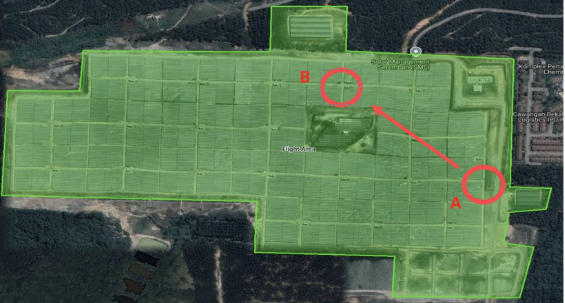
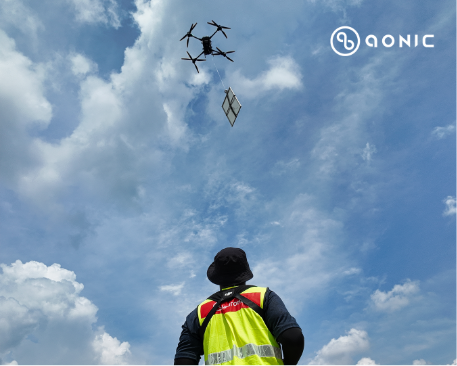
In a recent solar farm operation, the FlyCart 30 was used to move panels across a 60MW site covering 60 hectares.
During the mission, operators tracked everything in real time such as battery level, satellite signals, and flight path to ensure safe and efficient operations.
What This Means for the Workforce
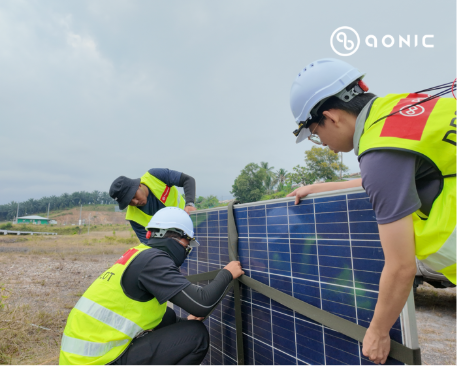
The FlyCart 30 does not replace people. Instead, it redefines their roles.
In other words, the drone becomes part of the workforce, handling repetitive heavy lifting so people can work smarter and safer.
Benefits for the Industry
Adopting drone logistics in solar farms creates clear advantages:
By integrating drones into daily operations, solar farms can scale faster, maintain efficiency, and ensure cleaner energy reaches communities.
Conclusion
The future of work in solar farms is not only about people on the ground. It is also about technology in the air. The DJI FlyCart 30 shows how drones can become a trusted member of the workforce, carrying loads, saving time, and making renewable energy operations smarter.
As solar farms grow larger and the demand for clean energy increases, drones will not just support the workforce but they will become part of it.